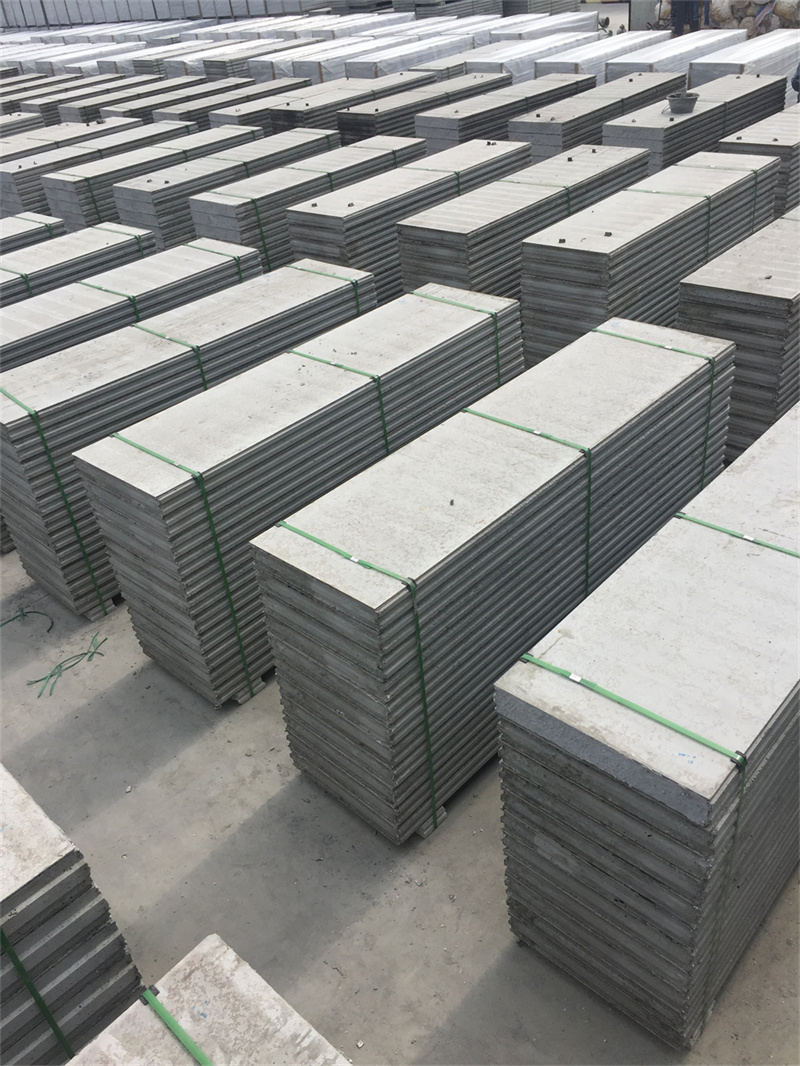
In the fast-evolving construction industry, traditional building materials like concrete blocks and bricks are rapidly giving way to innovative, high-performance alternatives. Among them, EPS (Expanded Polystyrene) cement sandwich panels have emerged as a game-changer.
Combining the structural strength of calcium silicate boards with a lightweight core of EPS foam and cement, these panels offer an unbeatable mix of durability, thermal efficiency, and speed of installation.
But where exactly can you use them? Let’s explore the primary EPS cement sandwich panel applications reshaping modern architecture today.
One of the most popular uses for EPS cement sandwich panels is non-load-bearing internal partition walls. Whether in high-rise residential apartments, commercial offices, or hotels, these panels offer significant advantages:
Space Saving: Being thinner than traditional brick walls, they increase usable floor area by up to 3–5%.
Sound Insulation: Excellent acoustic performance (up to 45dB+) ensures privacy between rooms.
Fast Installation: Workers can install panels up to 10 times faster than conventional masonry, drastically shortening project timelines.
EPS sandwich panels are increasingly used for external curtain walls and facade systems in both low-rise and high-rise structures.
Weather Resistance & Waterproofing: The outer calcium silicate boards act as a moisture barrier, preventing water seepage and dampness.
Thermal Insulation: The EPS core dramatically reduces heat transfer, lowering heating and cooling costs for eco-friendly, green buildings.
Beyond vertical walls, specialized EPS cement panels are lightweight yet strong enough to be integrated into roofing and floor systems.
Roof Insulation: Their thermal properties prevent top-floor heat buildup in tropical climates and heat loss in cold regions.
Lightweight Structural Load: By reducing the overall dead weight of the roof or floor slab, developers can save on foundation and structural steel costs.
With the global surge in off-site manufacturing and modular homes, EPS cement sandwich panels have become a go-to material for rapid deployment housing.
Disaster Relief & Temporary Housing: Panels can be flat-packed, shipped efficiently, and assembled on-site with minimal skilled labor.
Eco-Friendly Villas: Ideal for sustainable steel-frame or concrete-frame villas, offering a premium finish with low carbon footprint.
Industrial facilities require materials that offer safety, soundproofing, and thermal control. EPS sandwich panels excel in these environments:
Fire Safety (Class A1): High resistance to fire provides crucial safety time for evacuation and asset protection.
Temperature Control: Perfect for climate-controlled warehouses, food processing plants, and light industrial workshops.
Key Benefits at a Glance
|
EPS Cement Sandwich Panel | Traditional Brick/Block | |
| Installation Speed | Extremely Fast | Slow & Labor-Intensive | |
| Weight | Lightweight (1/6 of brick) | Heavy Structural Load | |
| Fire Resistance | Up to 4 Hours (1000°C) | Varies | |
| Eco-Friendliness | 100% Asbestos-Free | Resource Intensive |
Whether you are designing a high-rise commercial complex or building modular affordable housing, EPS cement sandwich panels deliver an ideal balance of cost savings, structural integrity, and energy efficiency.
By streamlining construction timelines and reducing structural load, they aren't just a modern alternative—they are the future of smart building technology.


