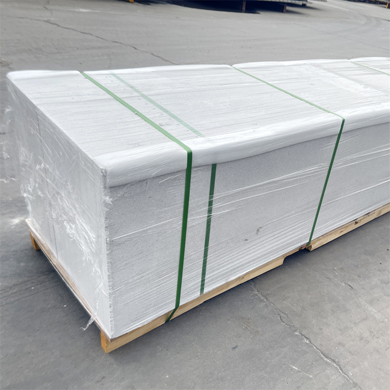
Fire safety in high-rise buildings presents unique challenges that traditional heavy, dense wall materials often struggle to solve — and ALC wall panels offer a perfect balance of lightweight design and extreme fire resistance that addresses these exact pain points.
In tall buildings, every extra kilogram of wall material adds significant load to the foundation and structural frame. ALC panels are 60% to 70% lighter than traditional concrete walls, which reduces the total dead load of the building dramatically. This not only cuts structural construction costs but also means that in the event of a fire, there is far less risk of heavy wall sections collapsing under their own weight and blocking escape routes.
The partition walls made with ALC panels act as effective fire compartments, stopping vertical and horizontal fire spread between different floors and units. For a 30-story residential tower, this means a fire starting on the 12th floor will be contained to that single unit or floor for hours, giving all residents above and below enough time to evacuate safely before the fire can spread.
Many high-rise projects also use ALC panels for exit stairwell enclosures, a critical safety feature that must remain intact and smoke-free during a fire. Since ALC panels do not produce toxic smoke, the stairwell stays clear for evacuation, even when a large fire is burning on an adjacent floor. This combination of lightweight, strength, and non-combustibility has made ALC panels a go-to choice for high-rise developers who prioritize both structural efficiency and life safety.


