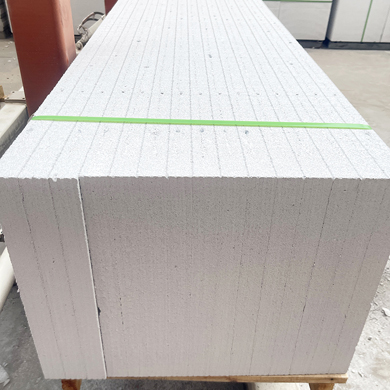
After multiple high-profile building fire incidents linked to combustible aluminum composite material (ACM) cladding, architects and building regulators around the world are increasingly demanding fully non-combustible facade materials. This has created a direct comparison between ACM cladding and ALC wall panels, two materials that occupy similar use cases but have drastically different fire safety characteristics.
Standard ACM panels consist of thin aluminum skins bonded to a polyethylene (PE) core, which is highly combustible. Even fire-rated mineral core ACM panels require very careful assembly with non-combustible insulation, cavity barriers and fire stops to pass NFPA 285 tests. If installed incorrectly or damaged during construction, ACM facades can create hidden vertical fire spread paths that allow fire to rapidly climb the entire height of a building from a small starting point. ALC wall panels, by contrast, are 100% inorganic and non-combustible through their entire thickness. They do not contain any combustible cores, organic adhesives or flammable components, so there is zero risk of hidden fire spread inside the facade assembly.
ALC panels also offer far better heat distribution performance than ACM in fire scenarios. Aluminum is an excellent thermal conductor, but thin ACM panels can deform and fall off very quickly under sustained high heat. ALC’s low thermal conductivity slows heat transfer dramatically, keeping the structural frame of the building protected for hours longer. While ACM facades can achieve an attractive modern appearance, ALC panels can be finished with paint, tile or decorative coatings to match almost any architectural style, while providing a far higher level of passive fire protection that meets the strictest modern facade safety codes.