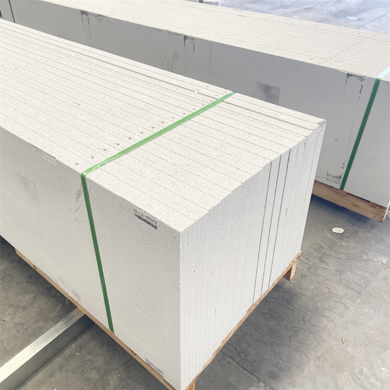
Underground metro stations, road tunnels and utility corridors present some of the most demanding fire safety conditions in the entire construction industry. Unlike standard building fires that follow a standard temperature curve, tunnel fires can reach 1200°C in less than 5 minutes, fueled by vehicle fuel, tires and cargo. ALC wall panels have become the go-to material for these high-risk underground environments, thanks to their proven performance under extreme hydrocarbon fire test conditions.
150mm thick ALC panels can easily pass the RWS 120-minute hydrocarbon fire test, the strictest standard for tunnel fire safety. This test simulates the rapid temperature spike of a real vehicle fire, where the environment reaches 1100°C within 10 minutes and stays above 1000°C for two full hours. Unlike concrete that can spall violently under this rapid heating, ALC’s evenly distributed air bubbles release internal pressure slowly, preventing explosive spalling that sends dangerous flying debris and creates open fire penetration points.
For metro station projects, ALC fire partitions separate passenger platforms from train tunnels, electrical substations and equipment rooms. Their low smoke emission performance ensures that even in a severe underground fire, toxic fumes will not spread rapidly into public evacuation areas. ALC panels are also moisture-resistant and corrosion-proof, making them ideal for the high-humidity underground environment where traditional gypsum walls would degrade within a few years. Their lightweight nature also reduces the load on tunnel linings, eliminating the need for extra structural reinforcement that would add massive cost to underground projects.


