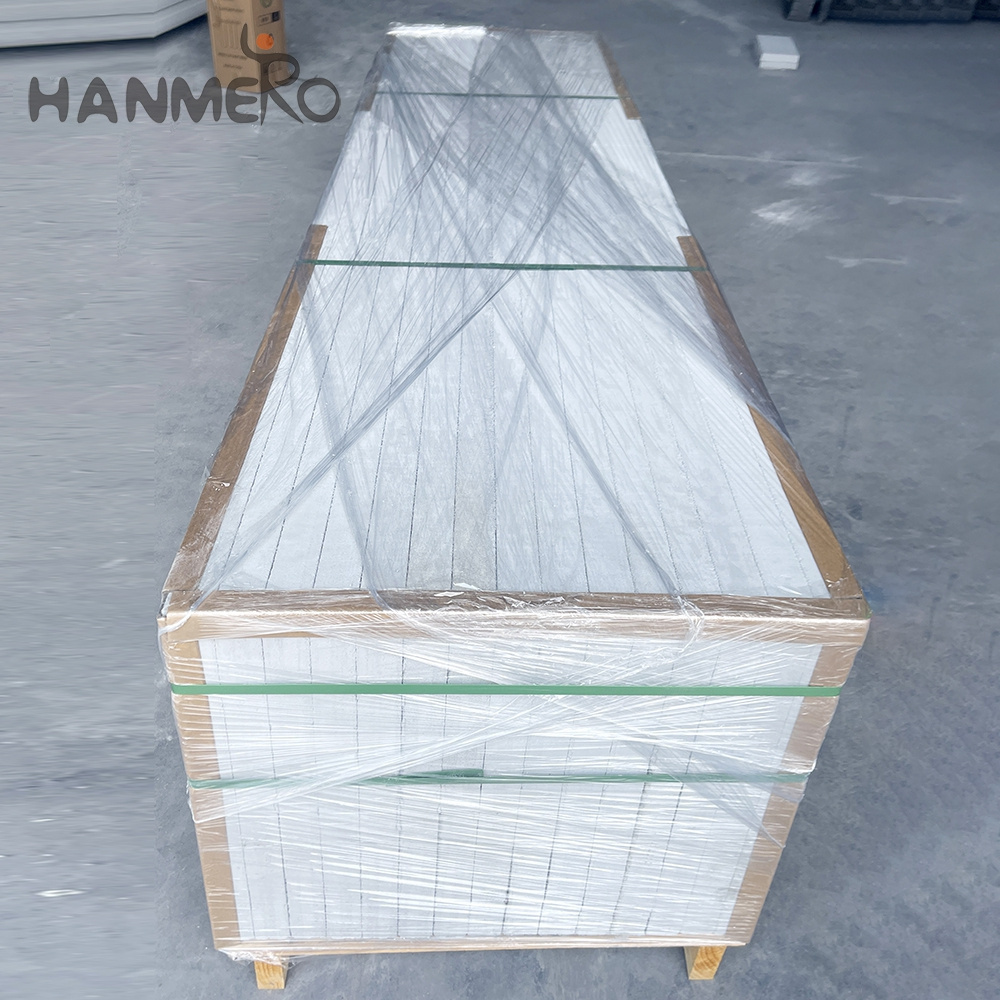
Fire safety is non-negotiable in modern construction, and ALC wall panels set a high benchmark as one of the most reliable non-combustible wall materials available. Made entirely from inorganic raw materials including sand, lime, cement, and gypsum, ALC panels achieve the highest possible fire safety classification – Class A1 non-combustible – meaning they will not burn, contribute fuel to a fire, or release toxic smoke when exposed to high temperatures.
The fire resistance performance of ALC walls is truly impressive. A standard 100mm thick ALC panel can maintain structural integrity and insulating properties for up to 4 hours under standard fire test conditions, while 150mm panels can exceed 6 hours. Even when exposed to temperatures over 1000°C, ALC panels do not explode, crack violently, or produce harmful fumes – a critical safety feature that gives occupants more time for evacuation and firefighters more time to control the situation. Unlike many lightweight wall materials that can quickly lose strength and collapse in fires, ALC actually maintains its structural performance at high temperatures.
These fire safety characteristics have been verified in numerous real-world fire incidents and independent laboratory tests. As a result, ALC wall panels are widely approved for use as fire separation walls, staircase enclosures, elevator shaft linings, and partition walls in high-rise buildings, shopping malls, industrial facilities, and other structures with strict fire code requirements. Many national building codes now specifically recognize ALC as a preferred material for enhancing overall building fire safety.