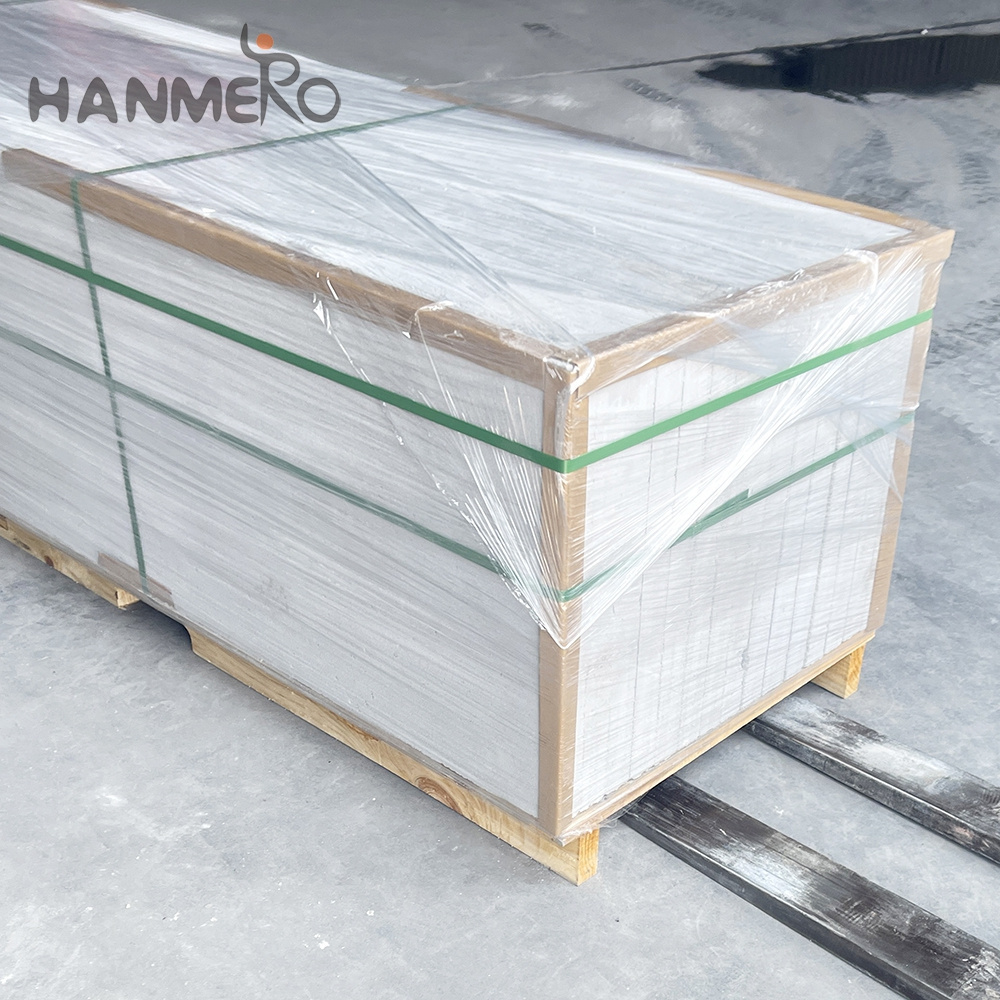
As the construction industry increasingly shifts toward carbon neutrality and sustainable practices, ALC wall panels stand out as one of the most environmentally responsible wall material choices available today. Their green benefits start right from the manufacturing process, which uses industrial byproducts like fly ash – often over 60% of the raw material composition – that would otherwise end up in landfills. This recycling of industrial waste significantly reduces the material's overall environmental impact.
The low carbon footprint of ALC panels continues through their entire lifecycle. The lightweight nature of the material reduces transportation emissions, as more panels can be carried per truckload compared to heavy traditional building materials. The autoclaving process, while energy-intensive, produces panels that deliver decades of energy savings far exceeding the initial manufacturing energy input – typically achieving a positive energy balance within 2-3 years of building operation. Unlike many wall materials that generate large amounts of construction waste during installation, ALC panels can be cut on-site with minimal waste, and any offcuts can be completely recycled back into the manufacturing process.
These exceptional green building properties have made ALC wall panels a favorite for projects pursuing LEED, BREEAM, or China's Green Building Evaluation Label certifications. The material contributes multiple points across categories including energy and atmosphere, materials and resources, indoor environmental quality, and sustainable sites. With zero volatile organic compound (VOC) emissions and no harmful chemical additives, ALC also creates healthier indoor environments that support occupant well-being – making it a truly comprehensive sustainable wall solution for the future of construction.