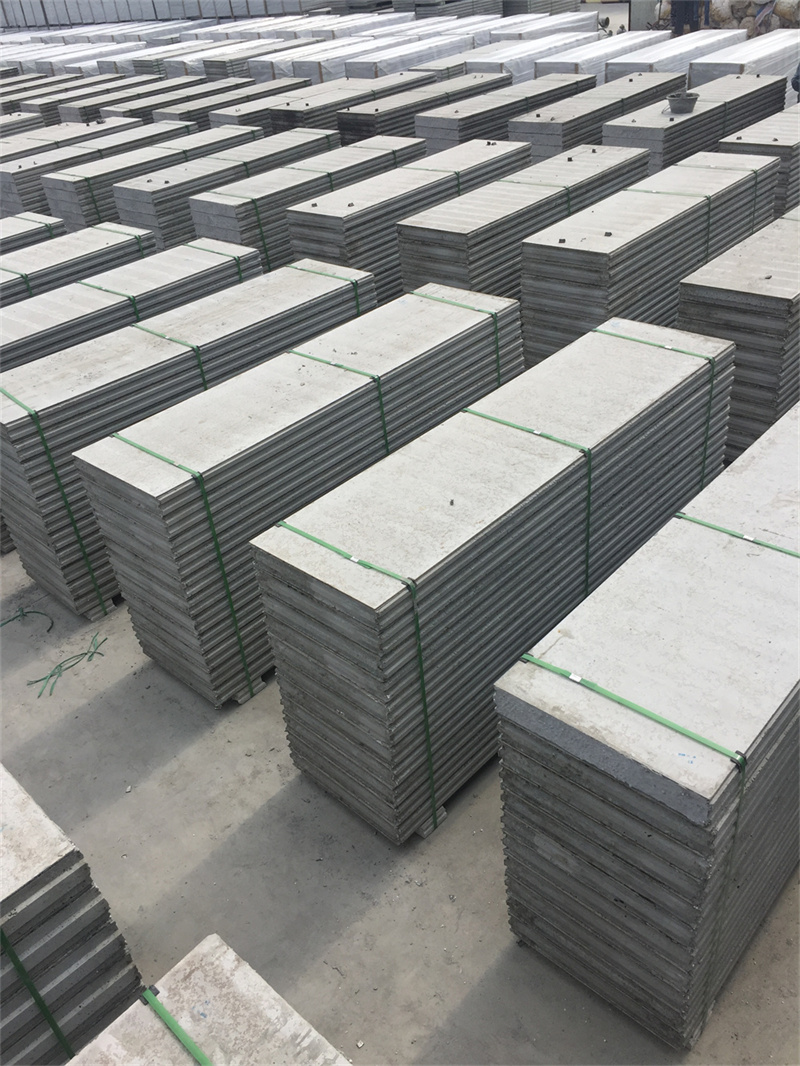
When it comes to building energy-efficient, durable, and cost-effective homes, the EPS cement sandwich wall panel stands out as a game-changing material in the construction industry. Unlike traditional brick or concrete walls, this innovative panel consists of a lightweight expanded polystyrene (EPS) core sandwiched between two layers of high-strength cement boards. This unique structure not only cuts down overall building weight by more than 40% but also significantly reduces thermal bridging, helping homeowners save up to 35% on annual heating and cooling bills.
One of the biggest advantages of the EPS cement sandwich wall panel is its rapid installation speed. A standard 100-square-meter residential unit can have all its interior and exterior walls erected in just 3 days, compared to 15–20 days required for masonry walls. This drastically shortens project timelines and lowers labor costs, making it an ideal choice for developers aiming to deliver affordable housing quickly. Additionally, the EPS cement sandwich wall panel offers excellent sound insulation performance, with a noise reduction coefficient of over 45dB, ensuring a quiet and comfortable living environment even in densely populated urban areas.
Fire safety is another critical feature that makes the EPS cement sandwich wall panel a top pick for modern homes. Class A non-combustible ratings mean the panel can withstand high temperatures for more than 3 hours without releasing toxic fumes, providing precious escape time for residents in case of emergencies. As more countries enforce stricter green building regulations, the EPS cement sandwich wall panel is rapidly becoming the go-to solution for architects and contractors who want to balance sustainability, safety, and construction efficiency.