Introduction: Exterior Walls That Perform
Exterior walls face the harshest conditions—rain, wind, temperature extremes, UV radiation, and in some regions, seismic activity. They must also provide security, privacy, and thermal comfort for building occupants.
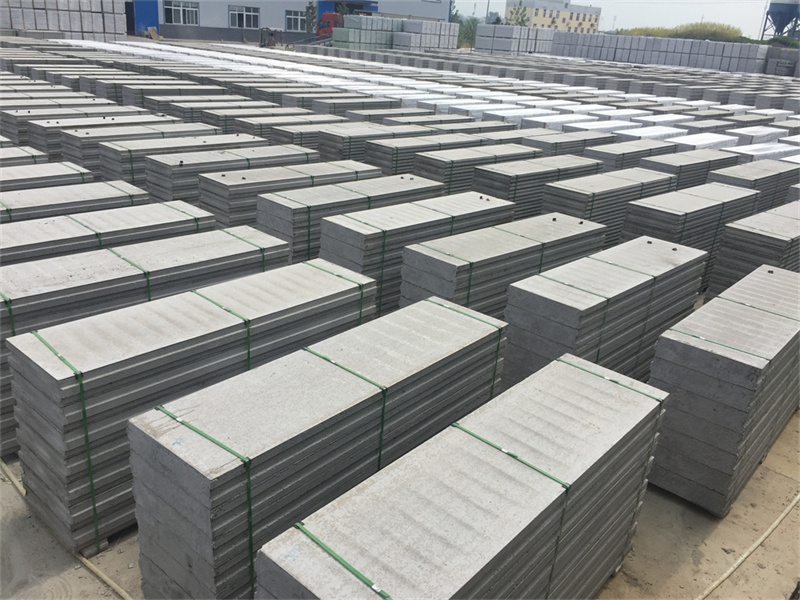
EPS cement sandwich panels have emerged as an excellent choice for exterior wall construction, offering a unique combination of weather resistance, thermal insulation, fire safety, and fast installation.
This article explores the performance characteristics and applications of EPS panels for exterior walls.
Why EPS Panels Work for Exterior WallsThe Perfect Balance:
Exterior walls require multiple performance characteristics that are often difficult to achieve in a single material:
- Weather resistance: Withstand rain, wind, sun
- Thermal insulation: Keep buildings comfortable
- Fire safety: Protect occupants
- Structural strength: Support loads
- Durability: Last for decades
EPS panels deliver all of these in one integrated product, eliminating the need for multiple layers of separate materials.
Weather Resistance PerformanceWaterproof Performance:
- Water absorption: Less than 8%
- Cement facing is inherently water-resistant
- No water penetration through panel
- Joints properly treated remain watertight
Testing Results:
- 24-hour water spray test: No penetration
- High humidity exposure: No degradation
- Freeze-thaw cycles: No cracking or spalling
- Coastal environment: Resistant to salt spray
Wind Resistance:
- Panels resist wind loads up to 2.4 kPa
- Can be used in high-wind regions
- Proper fixing ensures stability in storms
UV Resistance:
- Cement facing resists UV degradation
- Paint or coating recommended for extended life
- Surface maintains integrity over decades
Thermal Insulation for Exterior WallsThermal Performance:
- 100mm panel: R-value approximately 1.4
- 150mm panel: R-value approximately 2.0
- 200mm panel: R-value approximately 2.8
Comparison with Traditional Walls:
| Wall Type | Thickness | R-Value | Equivalent EPS Panel |
|------------------------|-----------|---------|---------------------|
| Brick wall | 240mm | 0.3 | None (very poor) |
| Brick + insulation | 240+50mm | 1.5 | 100mm EPS panel |
| Concrete block | 200mm | 0.2 | None (very poor) |
| EPS panel | 150mm | 2.0 | Superior to all |
Energy Impact:
Buildings with EPS exterior walls typically achieve:
- 30-50% reduction in heating costs
- 25-40% reduction in cooling costs
- More stable indoor temperatures
- Reduced HVAC system size requirements
Climate-Specific Benefits:
Hot Climates (Middle East, Southeast Asia):
- Blocks heat from entering building
- Reduces air conditioning load
- Maintains cool interior temperatures
Cold Climates (Northern Europe, Russia, Canada):
- Retains heat inside building
- Reduces heating fuel consumption
- Prevents cold spots and condensation
Mixed Climates:
- Performs well in both heating and cooling seasons
- Adapts to temperature swings
Recommended Panel Thickness for Exterior Walls120mm Panel:
- Applications: Single-story buildings, temperate climates
- Thermal performance: Good
- Sound insulation: 45 dB
- Typical use: Small residential, commercial
150mm Panel (Most Popular):
- Applications: Multi-story buildings, all climates
- Thermal performance: Excellent
- Sound insulation: 48 dB
- Typical use: Hotels, apartments, offices
200mm Panel:
- Applications: High-performance buildings, extreme climates
- Thermal performance: Superior
- Sound insulation: 52 dB
- Typical use: Premium residential, cold storage
Fire Safety for Exterior WallsFire Rating:
- Classification: Class A1 (Non-combustible)
- Fire resistance: 4+ hours
- Surface spread of flame: None
Why This Matters:
Exterior walls are critical for fire containment. EPS panels:
- Do not contribute to fire spread
- Maintain structural integrity during fire
- Provide time for evacuation
- Meet strict building codes worldwide
Fire from Inside:
- Panel resists fire from interior
- Fire does not spread through wall
Fire from Outside:
- Exterior face resists external fire
- Protects interior of building
- Important for buildings near vegetation or other structures
Structural PerformanceLoad Capacity:
- Can support own weight up to 4 meters height
- Additional bracing for taller walls
- Can be part of load-bearing wall system (with engineering)
Wind Load Resistance:
- Tested to 2.4 kPa wind load
- Suitable for most wind zones
- Additional bracing for high-wind areas
Impact Resistance:
- Resists impact from debris
- 30kg sandbag drop test: No through-cracks
- Suitable for ground-level exterior walls
Exterior Finishing OptionsOption 1: Direct Paint
- Apply exterior-grade paint
- Multiple coats recommended
- Repaint every 5-7 years
Option 2: Acrylic Coating
- Apply acrylic render
- Available in various textures and colors
- More durable than paint
Option 3: Tile Cladding
- Apply ceramic or stone tiles
- Use exterior-grade adhesive
- Premium appearance
Option 4: Cladding Systems
- Attach metal or composite cladding
- Create ventilated facade system
- Modern architectural appearance
Option 5: Stucco
- Apply cement-based stucco
- Traditional appearance
- Durable finish
Application 1: Residential BuildingsVillas and Houses:
- Single-family homes
- Multi-family residences
- Townhouses
Benefits:
- Energy efficiency reduces utility bills
- Fast construction shortens project timeline
- Fire safety for family protection
- Water resistance for longevity
Case Example:
A 250 m² villa using 150mm EPS exterior walls achieved 40% energy savings compared to traditional construction, with 3 months saved on construction timeline.
Application 2: Apartment BuildingsMulti-Story Apartments:
- Low-rise (1-3 stories)
- Mid-rise (4-7 stories)
- High-rise (with structural frame)
Benefits:
- Lightweight reduces structural loads
- Excellent sound insulation between units
- Fire safety between apartments
- Energy efficiency for lower operating costs
Structural Considerations:
- EPS panels are non-load-bearing in high-rise
- Install within structural frame
- Consult structural engineer for design
Application 3: Commercial BuildingsOffice Buildings:
- Interior/exterior walls
- Energy-efficient envelope
- Professional appearance
Retail Buildings:
- Shops and shopping centers
- Fast tenant fit-out
- Durable exterior
Hospitality:
- Hotels and resorts
- Guest comfort with thermal and acoustic performance
- Fire safety compliance
Application 4: Industrial BuildingsWarehouses:
- Fast construction
- Insulation for temperature control
- Durable exterior
Factories:
- Fire-resistant walls
- Cost-effective construction
- Can accommodate large spans
Cold Storage:
- Superior thermal insulation
- Reduces refrigeration costs
- Maintains temperature stability
Application 5: Prefabricated BuildingsModular Housing:
- Panels are ideal for prefab construction
- Lightweight for transport
- Fast on-site assembly
Site Offices:
- Quick deployment
- Can be relocated
- Comfortable working environment
Temporary Structures:
- Easy to assemble and disassemble
- Reusable panels
- Suitable for remote locations
Installation for Exterior WallsKey Differences from Interior Installation:
1. Weather Protection
- Install during dry weather if possible
- Protect stored panels from rain
- Seal joints immediately after installation
2. Structural Fixing
- Additional brackets and ties for wind resistance
- Fix to structural frame at specified intervals
- Use corrosion-resistant fasteners
3. Joint Treatment
- Use flexible sealant for movement
- Apply waterproof joint treatment
- Consider expansion joints in long walls
4. Weatherproofing
- Install flashing at windows and doors
- Seal all penetrations
- Apply exterior coating promptly
Maintenance RequirementsRoutine Maintenance:
- Inspect annually for damage
- Clean surface as needed
- Repaint every 5-7 years (if painted)
Typical Issues and Solutions:
Surface Staining:
- Clean with mild detergent
- Pressure wash if needed (low pressure)
Small Cracks:
- Fill with exterior-grade filler
- Touch up paint
Joint Sealant Failure:
- Remove old sealant
- Reapply flexible sealant
- Protect during curing
Long-Term Performance:
- Expected lifespan: 50+ years
- Panels maintain structural integrity
- Surface finish may need refreshing
Cost Comparison: EPS vs. Traditional Exterior WallsTraditional Wall System:
- Brick or block: $20-30/m²
- Mortar and labor: $15-20/m²
- Insulation: $10-15/m²
- Plaster (interior): $8-12/m²
- Exterior finish: $10-20/m²
- Total: $63-97/m²
EPS Panel System:
- Panel (150mm): $25-35/m²
- Labor and fixing: $10-15/m²
- Joint treatment: $3-5/m²
- Exterior finish: $10-20/m²
- Total: $48-75/m²
Savings: 20-30% on total wall cost
Additional Savings:
- Smaller foundation (lighter walls)
- Faster construction (lower financing costs)
- No separate insulation layer
- Reduced HVAC system size
Building Code ComplianceInternational Standards:
- GB/T 23451 (China)
- EN 1520 (Europe)
- ASTM E119 (USA)
Fire Codes:
- Class A1 / A2-s1,d0 (Europe)
- Type I-V construction (USA)
- Non-combustible requirements
Energy Codes:
- Contributes to thermal performance requirements
- Can help meet stringent energy codes
- Suitable for passive house construction
Conclusion: The Modern Choice for Exterior WallsEPS wall panels offer a compelling solution for exterior wall construction, delivering:
- Superior weather resistance
- Excellent thermal insulation
- Outstanding fire safety
- Fast installation
- Cost effectiveness
- Design flexibility
Whether you're building a villa, apartment complex, office building, or industrial facility, EPS exterior walls provide the performance you need at a price that makes sense.
Contact Hanmero to discuss your exterior wall requirements and receive a customized solution for your project.
FAQQ: What thickness is recommended for exterior walls?
A: For most climates, 150mm panels provide the best balance. Use 200mm for extreme climates or high-performance buildings.
Q: Are EPS panels waterproof for exterior use?
A: Yes. The cement facing is water-resistant, and properly treated joints remain watertight. Suitable for all climates.
Q: Can EPS panels be used in high-rise buildings?
A: Yes, as non-load-bearing infill walls within a structural frame. Consult with a structural engineer for design.
Q: What exterior finishes work with EPS panels?
A: Paint, acrylic render, tiles, cladding systems, and stucco all work well with EPS panels.
Q: How do EPS exterior walls handle earthquakes?
A: Their lightweight nature actually improves seismic performance. Proper fixing ensures stability.
Q: Do EPS exterior walls require maintenance?
A: Minimal maintenance. Annual inspection and repainting every 5-7 years for painted surfaces.