The global construction industry is responsible for nearly 40 percent of total global carbon emissions, both from embodied carbon in building materials and from ongoing operational energy use. Every choice you make for building materials has a direct impact on how sustainable a project will be, and EPS Cement Sandwich Wall Panel has emerged as one of the most effective tools to help projects meet strict green building standards including LEED, BREEAM and local national low carbon building certifications. This material delivers sustainability benefits across every single stage of its full life cycle.
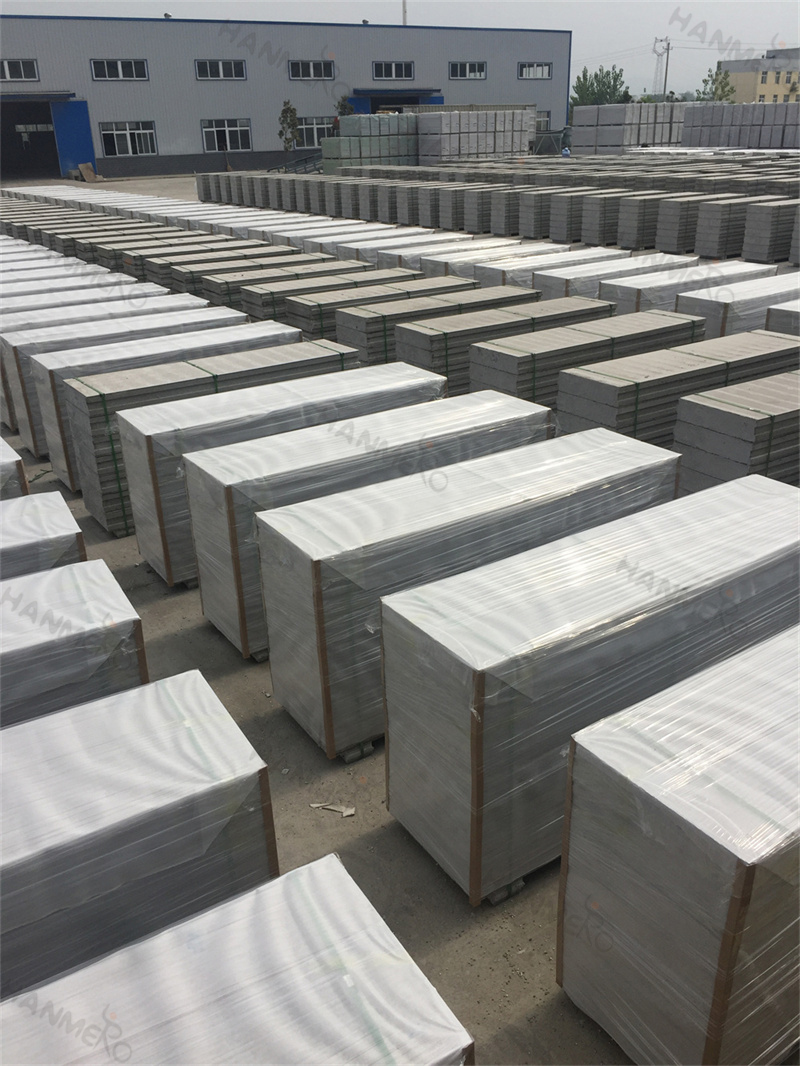
During the manufacturing process, EPS Cement Sandwich Wall Panel uses a carefully optimized mix of raw materials including sand, cement, fly ash and closed cell EPS beads. The inclusion of fly ash, a common industrial byproduct, reduces the total cement content in each panel, lowering the embodied carbon per square meter significantly compared to solid concrete walls. The factory controlled production process also generates almost zero material waste, unlike traditional on site masonry work that often creates large piles of broken bricks, wasted cement and construction debris. The lightweight nature of the panels also reduces transport related carbon emissions, as more square meters of wall material can be carried on each delivery truck.
The biggest sustainability impact comes during the operational life of the building. The excellent thermal insulation of EPS Cement Sandwich Wall Panel cuts heating and cooling energy consumption dramatically, which reduces the building's annual operational carbon emissions year after year for more than 70 years of service life. The panels are also fully reusable and recyclable at the end of their service life, and they do not contain any harmful volatile organic compounds or toxic chemical additives that can degrade indoor air quality. All these combined benefits make this wall system one of the most practical, high performance sustainable building solutions available for large scale construction today.