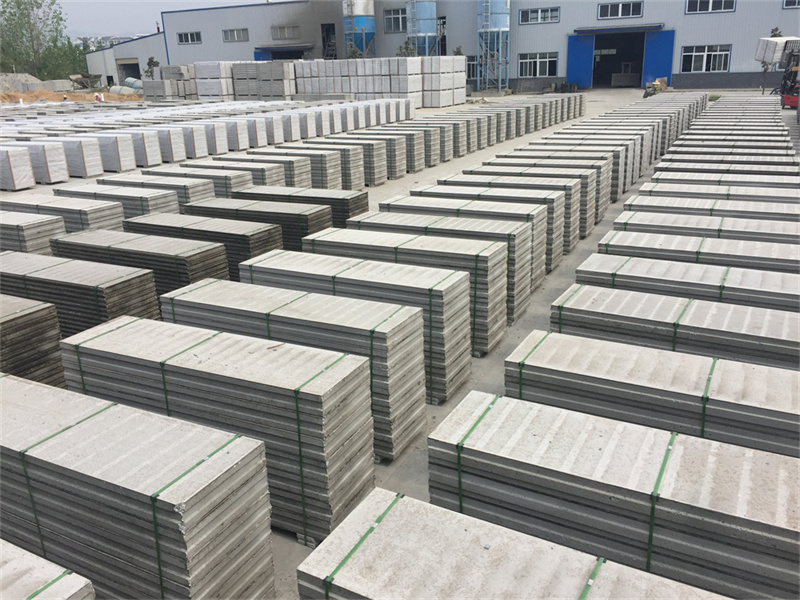
The Evolution of Modern Construction: A Real-World Look at EPS Wall Panels
The construction industry worldwide has undergone tremendous upgrades in recent years, no longer focusing merely on building stability but prioritizing eco-friendliness and practical cost control. Many traditional construction techniques, dominated by brick and mortar, can no longer keep up with modern engineering demands. It is against this backdrop that EPS wall panels have gained massive popularity across residential and commercial construction projects.
Simply put, these innovative composite panels adopt a layered structure: a solid expanded polystyrene foam core is wrapped with high-quality fiber cement or calcium silicate boards on both sides. This unique structure gives the material two irreplaceable advantages that traditional building materials lack—ultra-light weight and long-lasting structural durability on construction sites.
Outstanding Thermal Insulation Cuts Long-Term Energy Costs
Anyone with construction experience knows that conventional concrete and wood walls have a fatal flaw: they cannot block heat exchange effectively. This leads to sweltering indoor spaces in summer and rapid heat loss in winter, forcing building HVAC systems to operate at high load all year round.
EPS panels solve this problem perfectly through their fine cellular internal structure. This special physical structure creates an effective thermal barrier that stabilizes indoor temperatures significantly. For individual homeowners and professional developers, this advantage is not just theoretical. It translates to noticeable reductions in monthly energy consumption, lowers daily building operating costs, and greatly minimizes the overall carbon footprint of the building throughout its service life.
Fast Installation and Higher Cost Performance
Construction practitioners are well aware that prolonged construction cycles mean additional labor costs, equipment rental fees and time risks. This is where EPS wall panels stand out the most in actual project applications.
All panels are prefabricated and precisely sized in factories, requiring no secondary cutting or complex processing on site. Thanks to their lightweight properties, workers can complete handling and assembly without large cranes or oversized construction teams. In practical comparison, the installation efficiency of EPS panels is 3 to 4 times higher than that of traditional masonry construction.
Besides construction efficiency, it also brings tangible economic benefits. Thinner than standard brick walls, these panels deliver far better insulation performance, which directly increases the actual usable floor area of buildings. Meanwhile, factory customized sizing almost eliminates construction waste on site, saving material costs and simplifying on-site cleaning work.
Reliable Safety and Durable Structural Performance
Many people mistakenly believe that lightweight building materials mean poor stability. In fact, EPS composite wall panels have extremely reliable structural toughness. All mainstream qualified products on the market are added with professional flame retardant ingredients during production, reaching high fire protection standards required by modern buildings.
In daily use, the composite structure can effectively isolate indoor and outdoor noise, greatly improving indoor comfort. Different from wooden wall frames that are prone to mildew, rot and pest damage, EPS panels have excellent moisture and corrosion resistance, effectively extending the service life of buildings.
What’s more, the material’s low mass and flexible structural features make it exceptionally suitable for earthquake-prone areas. Unlike brittle brick walls that are easy to collapse and crack during seismic activities, EPS panels can withstand structural shocks and avoid dangerous damage, greatly improving overall building safety.
Practical Green Material for Sustainable Construction Trends
With governments worldwide continuously tightening building environmental assessment standards, the construction industry is urgently transitioning to low-carbon and sustainable development. EPS wall panels have become a practical green building option, not just in name only.
The raw materials used for the panels support professional recycling and reuse, reducing resource waste. More importantly, the sustained energy-saving effect throughout the building’s operation period can greatly reduce cumulative energy consumption and carbon emissions. Whether applied to large commercial high-rises or ordinary residential buildings, EPS wall panels balance technological practicality, economic benefits and environmental value, making it a core material for modern green construction.