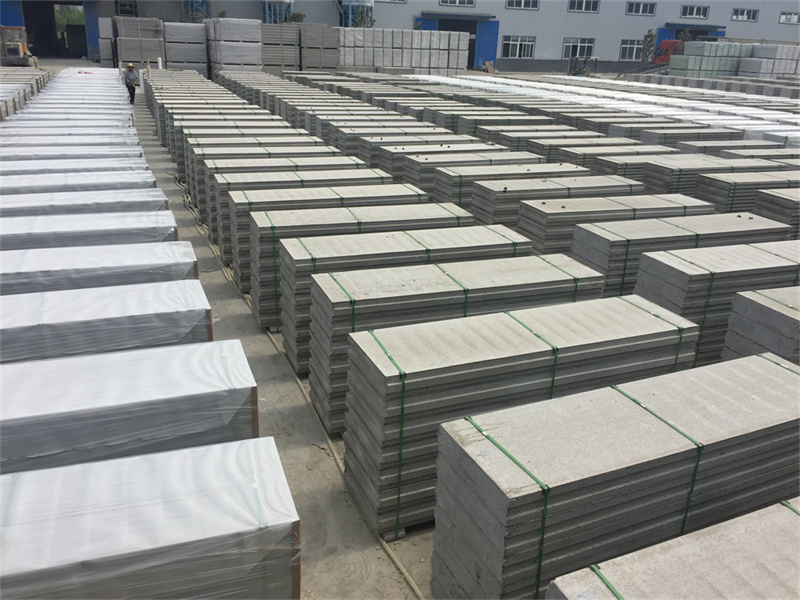
For high-occupancy commercial structures, institutional facilities, and public infrastructure, passive fire protection is a critical element of structural design. A certified fireproof EPS wall panel provides a highly reliable thermal and physical barrier engineered to withstand extreme temperatures, prevent flame spread, and maintain structural integrity during critical emergency evacuation windows.
Extremely High Heat (1000°C+) ===> [Calcium Silicate Sheet] | [Fire-Retardant Core Matrix]
(Deflects Heat Radiation) (Encapsulated Non-Combustion)
The fire resistance of these assemblies relies on a multi-stage chemical and physical reaction to intense heat:
Thermal Shielding: The outer fiber-reinforced calcium silicate face boards feature natural low-conductivity properties, serving as a powerful initial heat shield.
Core Encapsulation: Within the panel core, individual polystyrene beads are thoroughly coated in a dense, non-combustible matrix of Portland cement and specialized flame retardants. Under extreme heat, the EPS beads shrink away without combusting, while the solid cement shell remains intact to stop thermal transfer.
Containment of Emitted Gases: High-performance panels pass rigorous Class A non-combustibility testing, meaning they do not release dense toxic black smoke or toxic gasses, keeping vital building evacuation corridors clear.


