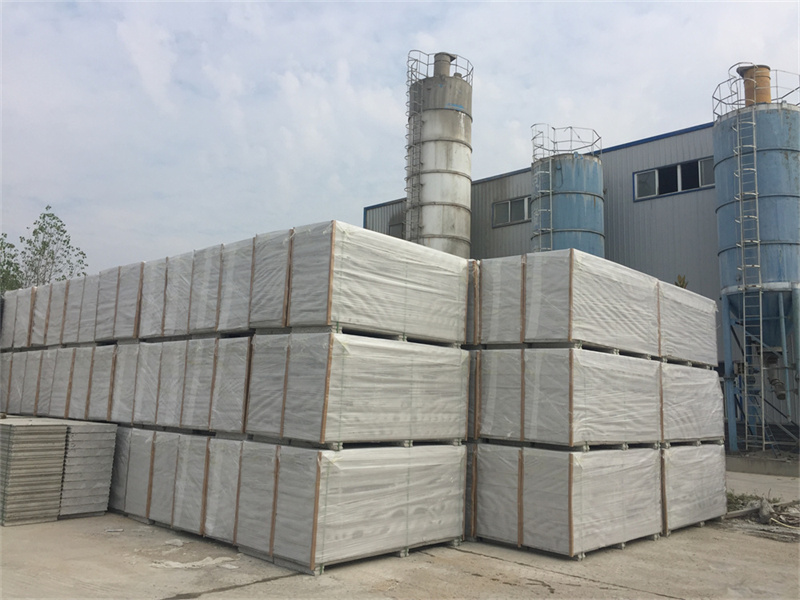
Building high-performance, energy-efficient structures requires a comprehensive strategy for managing heat transfer through the building envelope. Incorporating an advanced thermal insulation wall panel system creates a highly effective thermal barrier that drastically limits energy loss, maintains steady indoor climates, and minimizes reliance on mechanical HVAC systems.
Exterior Heat (38°C) ===> [Calcium Silicate] | [Low Conductivity EPS Core] | [Calcium Silicate] ===> Interior (22°C)
Blocks Conductive Heat Transfer
The exceptional thermal performance of these panels comes from the millions of microscopic, closed-cell air pockets within the expanded polystyrene (EPS) core.
Unlike traditional concrete block or brick walls, which possess high thermal mass and conduct heat directly into or out of a building, the EPS core acts as a powerful insulator. The interlocking tongue-and-groove joint design further ensures a continuous thermal envelope, eliminating the thermal bridging points common in standard metal-stud or concrete-frame walls, and leading to long-term energy savings.


