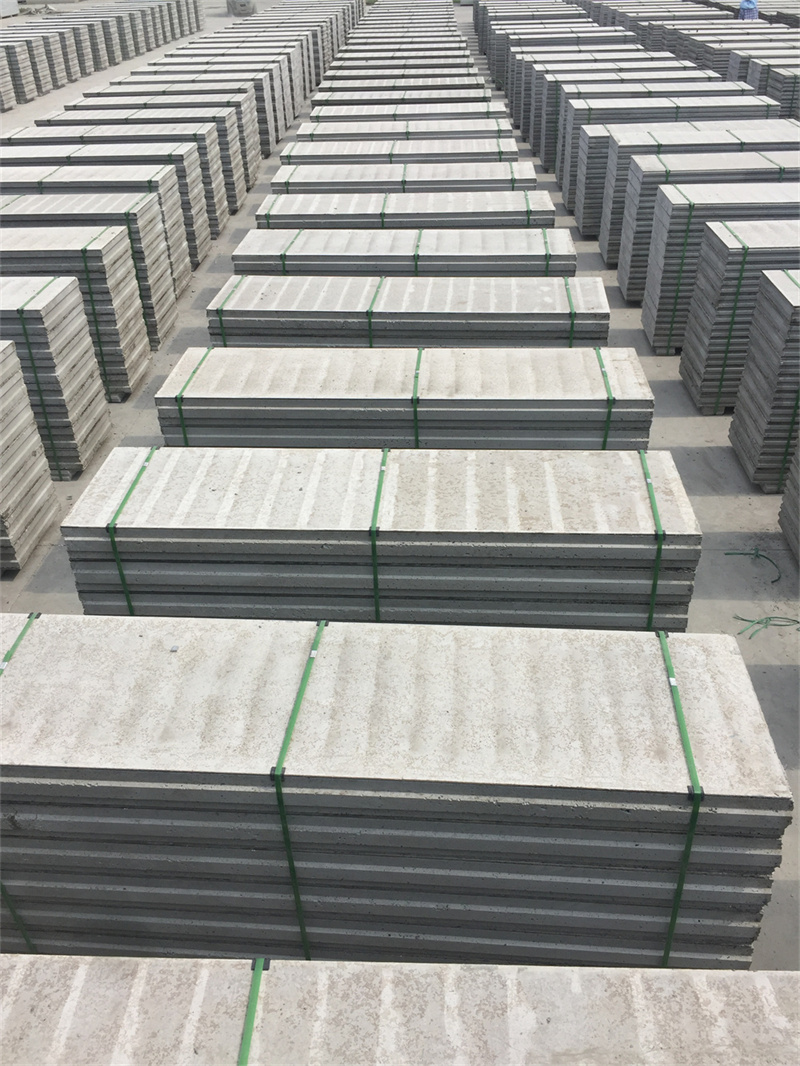
Proper installation is the key to unlocking the full structural, acoustic, and thermal benefits of an EPS wall panel. While these panels are designed for quick and straightforward assembly, following a precise workflow ensures maximum airtightness, durability, and a flawless aesthetic finish.
Whether you are handling a warehouse partition or a modular home project, here is a professional, step-by-step guide to installing EPS sandwich wall panels.
Before bringing the panels on-site:
Ensure that the concrete foundation or steel framework is completely level, clean, and dry.
Verify that all dimensions match the architectural layouts.
Gather necessary tools: lifting equipment, self-tapping screws, structural sealants/silicone, polyurethane (PU) foam, and cutting tools.
Install galvanized steel U-channels or guide tracks along the floor and ceiling lines according to the layout markings.
Secure the tracks firmly using expansion bolts or anchor screws to guarantee stability.
Apply a layer of sealant or anti-vibration tape along the bottom track to prevent moisture seepage.
Carefully lift and guide the first EPS wall panel into place, starting from a corner or a designated anchor point.
Check the plumbness (vertical alignment) using a spirit level or laser level. An unaligned first panel will impact the rest of the wall line.
Fix the panel to the top and bottom tracks using appropriate fasteners or specialized clips.
Apply joint adhesive or PU foam along the tongue-and-edge groove of the installed panel.
Slide the next EPS panel tightly into the groove of the previous one, ensuring a snug, seamless fit.
Fasten the panels securely to the structural framing or to each other as per engineering specifications.
Once all panels are locked in place, inspect the vertical and horizontal joints.
Fill any minor gaps with expanding PU foam or fire-rated silicone sealant.
Clean the surface of dust or residue. The factory finish of EPS wall panels typically
requires minimal preparation before painting or direct wallpapering.
Note: Always wear standard protective gear (gloves, safety glasses) when handling metal-faced or cement-backed composite panels. Ensure joint sealants are weather-rated if the walls are intended for exterior use.


