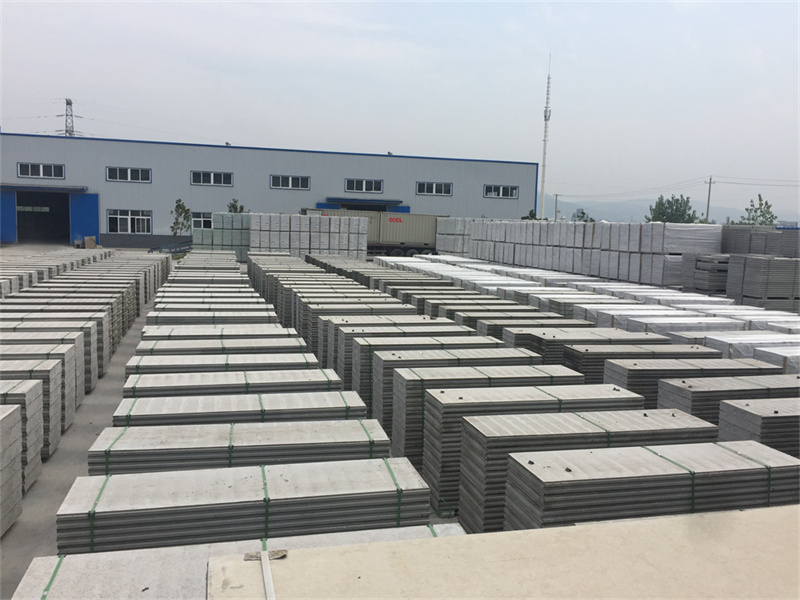
When budgeting for a construction project, material selection dictates not only the initial expenses but also long-term operational savings. For decades, traditional brick and concrete block walls have dominated the market. However, with rising labor costs and tight construction deadlines, EPS wall panels have become a formidable alternative.
How do they truly stack up against traditional bricks in terms of cost, speed, and performance? Let’s dive into a detailed comparison.
1. Construction Speed and Labor Costs
Traditional Brick Walls: Laying bricks is a labor-intensive, slow process that requires multiple steps: building the wall, curing, plastering, and painting. Skilled masons are in high demand, driving up labor expenses.
EPS Wall Panels: Prefabricated panels arrive ready to install. Because of their large surface coverage and interlocking designs, a small crew can erect a massive wall area in a fraction of the time, cutting labor overhead significantly.
2. Thermal Performance and Energy Savings
Traditional Brick Walls: Bricks have poor natural insulation properties. Buildings often require supplemental insulation layers to meet modern energy codes.
EPS Wall Panels: Built with an integrated insulation core, EPS panels provide high R-values out of the box. This translates to a 10% to 15% reduction in building energy consumption for heating and cooling.
3. Space Utilization and Weight
Traditional Brick Walls: Thick brick walls consume valuable interior floor space and add massive weight to the structure's foundation.
EPS Wall Panels: Thinner profile options (such as EPS cement panels) can save up to 4% of usable indoor floor space while maintaining high structural rigidity and impact resistance.
|
EPS Wall Panel | Traditional Brick Wall | |
| Installation Speed | Extremely Fast | Slow & Curing-dependent | |
| Weight | Lightweight | Heavy | |
| Surface Finish | Smooth, ready for paint | Requires plastering | |
| Thermal Insulation | High (Built-in core) | Low (Requires extra insulation) |
While the upfront material price of an EPS wall panel may vary depending on shipping and core density, the total project cost is frequently lower due to reduced labor, faster capital turnaround, and lifelong energy efficiency. For modern developers, choosing EPS wall panels is a smart financial move.


