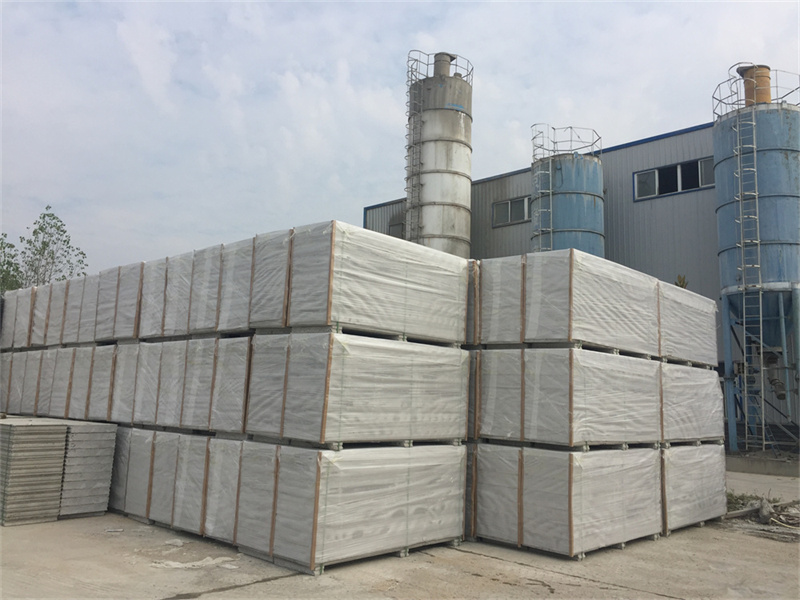
As the global construction industry shifts toward faster, more energy-efficient, and sustainable building methods, traditional brick-and-mortar solutions are increasingly being replaced by advanced composite materials. Among these, the EPS wall panel has emerged as a game-changer for both residential and commercial projects.
Whether you are a builder, architect, or property developer, understanding the properties and applications of Expanded Polystyrene (EPS) wall panels can significantly optimize your next project. In this comprehensive guide, we explore everything you need to know about EPS wall panels.
An EPS wall panel is a type of lightweight sandwich panel. Typically, it consists of a high-performance core made of Expanded Polystyrene (EPS) foam, sandwiched between two outer structural layers—which can be pre-painted steel sheets (for metal-faced sandwich panels) or fiber cement/calcium silicate boards (for EPS cement sandwich panels).
This unique composition blends structural strength with exceptional thermal insulation.
Key Advantages of EPS Wall Panels
Superior Thermal Insulation: The closed-cell structure of the EPS core provides low thermal conductivity, keeping interiors cool in summer and warm in winter, which drastically cuts energy consumption.
Lightweight Construction: Compared to standard concrete blocks, EPS panels are remarkably lightweight, reducing the overall dead load of buildings and saving significantly on foundation costs.
Rapid Installation: Thanks to tongue-and-groove joint systems, these panels can be installed up to 3 to 5 times faster than traditional masonry, reducing labor costs.
Moisture & Sound Resistance: High-quality EPS wall panels offer great acoustic insulation and moisture-resistant properties.
EPS wall panels are remarkably versatile and utilized across various sectors:
Industrial Buildings & Warehouses: Fast enclosing of large perimeters.
Commercial Spaces & Offices: Interior partition walls that can be easily reconfigured.
Prefabricated & Modular Houses: Essential structural elements for modern prefab housing.
The demand for EPS wall panels will continue to surge as construction markets prioritize efficiency and sustainability. Investing in these innovative panels ensures lower operating costs, faster project turnarounds, and long-lasting structural value.


