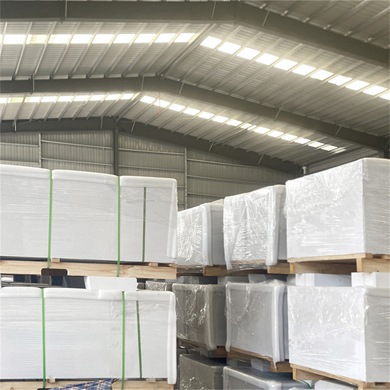
Fire safety is no longer an afterthought in modern construction — it’s a core design requirement that protects lives, assets, and long-term building value. ALC (Autoclaved Lightweight Concrete) wall panels have rapidly emerged as one of the most reliable fire-resistant materials on the market, outperforming many traditional wall systems in critical safety scenarios.
Unlike wood, drywall with organic additives, or standard lightweight concrete panels, ALC wall panels are made from 100% inorganic raw materials including cement, lime, silica sand, and no flammable binders. This means they will never catch fire, melt, or release toxic smoke when exposed to high temperatures. Independent fire resistance tests show that standard 100mm ALC wall panels can maintain structural integrity for over 4 hours under continuous high heat, far exceeding the minimum fire rating requirements for most residential and commercial building codes.
For high-risk spaces like school corridors, hospital wards, shopping mall facades, and industrial warehouses, ALC wall panels create a passive fire barrier that slows flame spread and buys critical evacuation time. Even in multi-story residential buildings, these panels prevent fire from jumping between units through partition walls, reducing the risk of a small kitchen fire turning into a full-floor disaster.
What makes ALC panels even more practical is that their fire-resistant performance does not degrade over decades. Unlike fire-retardant coatings that wear off or require reapplication every few years, ALC’s non-combustible properties are built into its material structure from the moment it leaves the autoclave. This long-term stability makes it a cost-effective choice for building owners who want to maintain consistent fire safety compliance without recurring maintenance costs.


