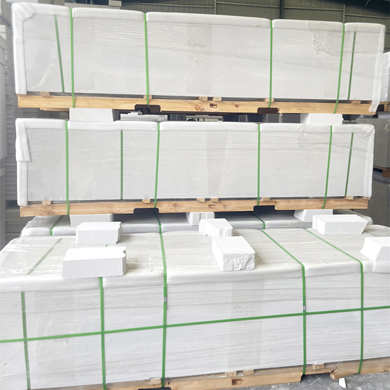
When choosing interior wall materials, many contractors still default to traditional drywall — but when fire safety is a top priority, ALC wall panels deliver a level of performance that regular drywall simply cannot match. This head-to-head comparison breaks down exactly how the two materials perform under real fire conditions.
Standard 12mm drywall typically offers a 30 to 60-minute fire rating, but once the gypsum core cracks or the paper facing burns away, its structural integrity collapses quickly. In contrast, a 100mm ALC wall panel can withstand over 4 hours of direct flame exposure without losing its shape. Even more critically, drywall’s paper surface and any organic joint compounds will release thick, toxic smoke during a fire — the leading cause of death in building fire incidents. ALC wall panels, by contrast, produce zero toxic fumes when heated, keeping escape routes clearer for longer.
Another key difference is performance after a fire event. Drywall will crumble completely at high temperatures, requiring full replacement even if the fire was contained to a small area. ALC panels, however, often remain structurally intact after a fire, with only surface-level cleaning needed before the space can be repaired and reused. This not only reduces post-fire reconstruction costs but also minimizes business downtime for commercial properties.
For partition walls in offices, hotel rooms, and apartment complexes, switching from drywall to ALC panels is a simple upgrade that drastically improves overall building fire safety. It also helps projects meet stricter modern fire codes without adding unnecessary wall thickness or weight to the building structure.


