Both ALC wall panels and AAC blocks are made from autoclaved aerated concrete, but their manufacturing processes, installation methods, and final fire safety performance differ significantly — and for many construction projects, precast ALC panels are the clear choice for more consistent, reliable fire protection.
While both materials are non-combustible, ALC wall panels are produced in a factory under strictly controlled autoclave conditions, creating a uniform, consistent material across every single panel. AAC blocks, by contrast, are smaller units that are laid on-site with mortar joints. These mortar joints can create weak points in the fire barrier, as different mortar mixes may not match the fire rating of the AAC blocks themselves, creating gaps where heat and smoke can seep through during a fire.
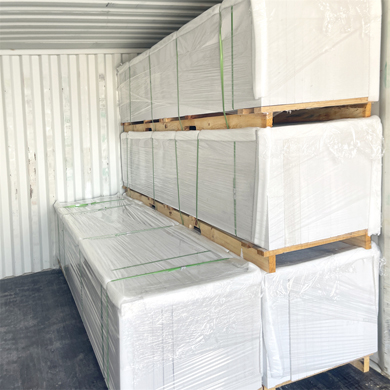
ALC panels are installed as large, continuous precast units, with far fewer joints than a wall built from individual AAC blocks. When detailed correctly with fire-resistant joint sealant, this creates a nearly seamless fire barrier that maintains its full fire rating across the entire wall surface. The large panel format also means there are far fewer potential points of failure, making the overall fire performance far more predictable and reliable.
For projects that require certified, consistent fire-rated walls, ALC wall panels also come with pre-tested system certifications that cover the full assembled wall, not just individual blocks. This makes it much easier to prove full code compliance to building inspectors, without needing to verify every single mortar joint and block on-site.


