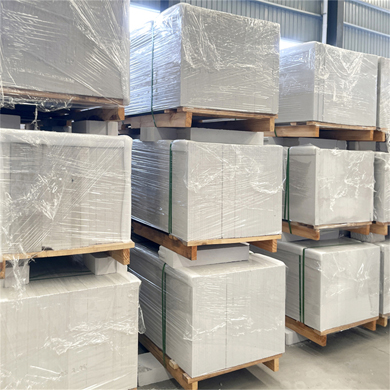
In the era of net-zero green building, many developers face a common dilemma: choosing between high-performance fire safety materials and sustainable, low-carbon building solutions. ALC wall panels solve this problem perfectly, delivering industry-leading non-combustible performance while being one of the most eco-friendly wall products on the market.
The raw materials for ALC panels often include recycled industrial byproducts like fly ash, reducing the consumption of virgin natural resources. The autoclave manufacturing process is also far more energy-efficient than the production of traditional clay bricks or dense concrete blocks, resulting in a much lower embodied carbon footprint per square meter of wall.
Unlike many fire-resistant building materials that rely on chemical additives with high environmental impact, ALC panels achieve their Class A1 fire rating through their natural inorganic composition, no toxic flame retardants required. This means no harmful volatile organic compounds (VOCs) are released during the building’s service life, and no dangerous leachate is produced when the panels are eventually recycled at the end of their long lifespan.
For projects targeting LEED, BREEAM, or other international green building certifications, using ALC wall panels helps earn points for both material safety and sustainable sourcing. At the same time, their fire safety performance ensures the building meets all strict life safety codes, proving that you don’t have to sacrifice fire protection to build a truly sustainable, low-carbon future.


