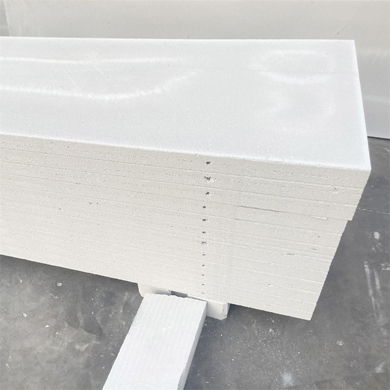
Even the highest quality fire-rated ALC wall panels will not perform as expected if they are installed incorrectly. Following industry-standard installation best practices is essential to ensure that your ALC fire wall assembly achieves its full tested fire resistance rating, with no gaps or weak points that fire can penetrate.
First, proper structural connection is the foundation of a reliable fire wall. The top of each ALC panel should be connected to the building structure using U-shaped seismic clamps or L-shaped iron brackets, with a maximum spacing of 1200mm between each fastener. The bottom of the panel should be leveled using fine stone concrete or special non-combustible pads, never using flammable wood shims that can burn away during a fire and cause the wall to collapse. For walls over 6 meters long, adding a structural column at intervals will prevent lateral movement under high fire temperatures.
Second, joint treatment is the most critical step to prevent fire spread. The gap between adjacent ALC panels should be controlled within 5mm, and all joints must be filled with special inorganic fire-resistant repair mortar. After the mortar is applied, a 100mm wide alkali-resistant fiberglass mesh tape must be pressed into the joint to prevent cracking under temperature changes—cracks in joints are the most common point of fire penetration in otherwise well-built fire walls. For gaps around pipes, electrical conduits or door frames that pass through the ALC fire wall, always use fire-resistant mineral wool and intumescent fire seals to fill the space completely, never use organic sealants that can melt when heated.
Third, avoid over-cutting or deep grooving on ALC fire walls. The depth of any groove cut into the panel surface for wiring must not exceed 1/3 of the total panel thickness, and the width of the groove should be no more than 30mm. Cutting deeper than this will compromise the panel’s fire resistance and structural strength. For kitchen and bathroom areas that require waterproofing, always pour a 250mm high non-combustible concrete guide wall at the bottom before installing ALC panels, to prevent both water damage and potential fire spread from lower levels.