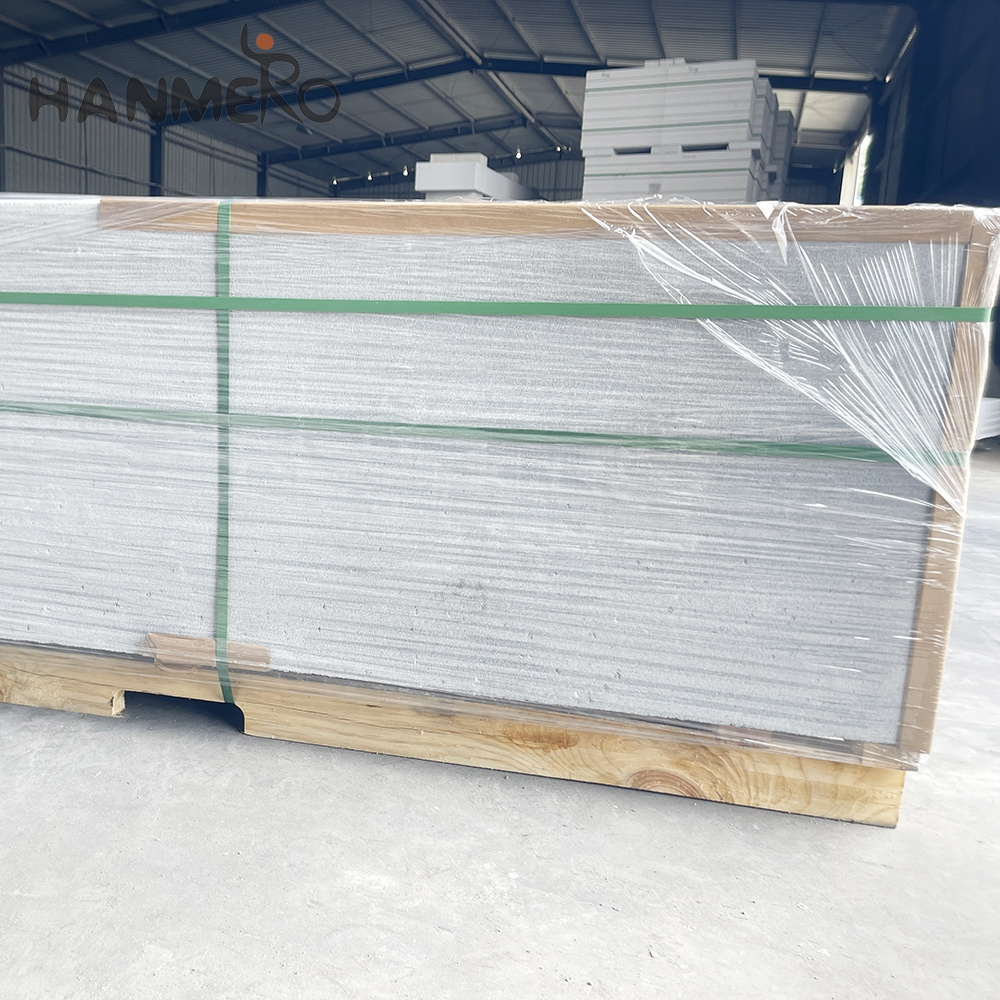
In today's construction industry, sustainability is no longer a niche concern but a core requirement. Building materials are now evaluated on their full lifecycle environmental impact, from raw material extraction to end-of-life disposal. ALC wall panels stand out by offering a powerful synergy between exceptional fire safety and strong green building credentials, helping projects achieve certifications like LEED, BREEAM, and Green Globes.
The sustainability story begins with composition. ALC is primarily made from abundant, naturally occurring materials: silica sand, lime, cement, and water. A key component is often fly ash or other industrial by-products, diverting waste from landfills and reducing the need for virgin materials. The autoclaving process uses steam curing, which is energy-efficient compared to high-temperature kiln firing used for bricks or ceramics. This results in a lower embodied carbon footprint. Furthermore, ALC's excellent thermal insulation properties reduce the building's operational energy demand for heating and cooling, contributing to long-term energy savings and lower greenhouse gas emissions.
From a fire safety perspective, ALC’s green benefits are multifaceted. Its non-combustible nature means it contains no volatile organic compounds (VOCs) or toxic chemicals that could off-gas during a fire, contributing to better indoor environmental quality—a key category for green building ratings. Its durability and longevity mean it won't need replacement for the life of the building, reducing future material consumption and waste. When a building is eventually deconstructed, ALC panels can be crushed and fully recycled as aggregate for new concrete or road base, closing the material loop. By specifying ALC, project teams can therefore secure points for recycled content, regional materials, indoor air quality, and innovation, while simultaneously achieving top-tier passive fire protection.


