Modern architectural design often emphasizes open, light-filled spaces, creating a tension with fire code requirements for compartmentation. This leads to a common comparison: solid ALC fire walls versus fire-rated glass wall assemblies. Both have their place, and the choice depends on a careful balance of fire performance goals, aesthetic desires, budget, and specific code applications.
Fire-rated glass walls, when installed in a tested and listed assembly, can provide the required fire resistance (e.g., 60, 90, or 120 minutes) while maintaining visual connectivity and daylight penetration. They are ideal for corridors in hospitals, schools, and offices where supervision and an open feel are priorities. However, they have limitations. High-performance fire-rated glass capable of withstanding hose stream tests is expensive. The entire assembly—glass, frame, and seals—must be certified together, and any damage to the glass compromises the rating. Most importantly, they generally do not provide the same level of acoustic insulation or thermal mass as a solid wall.
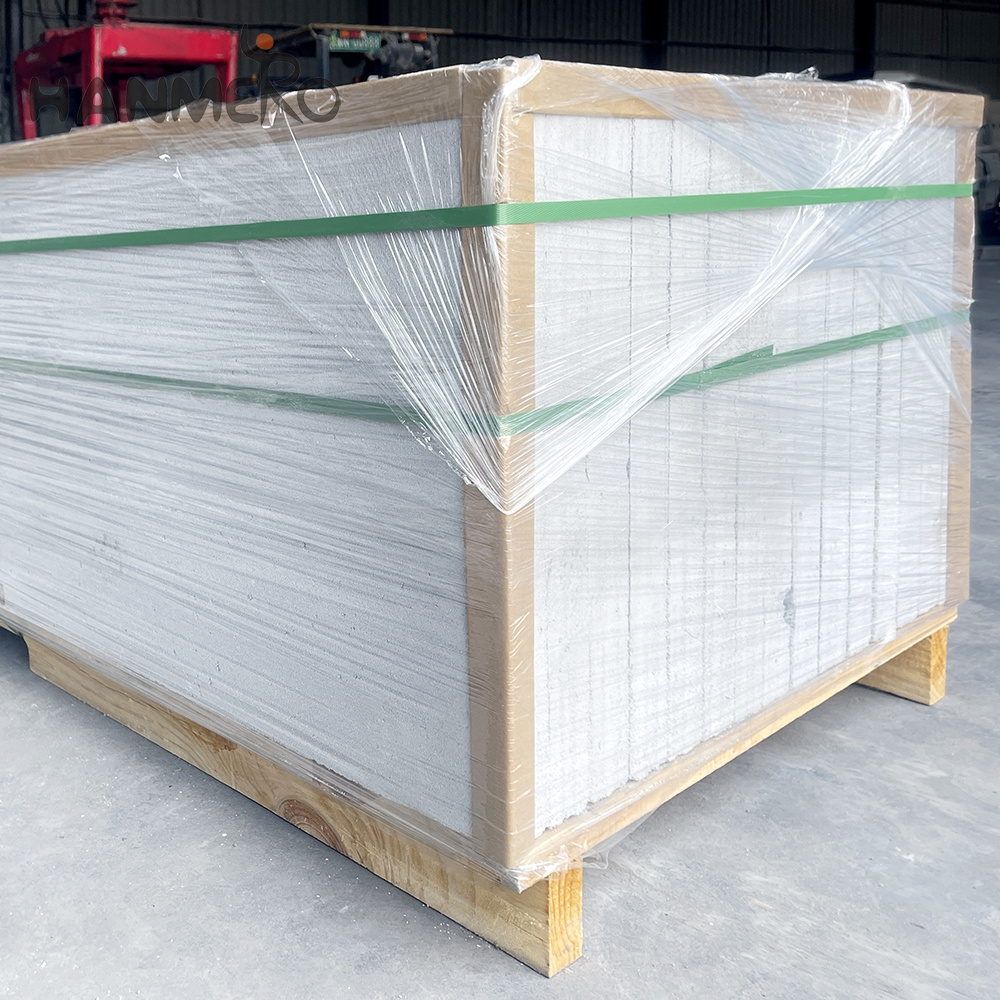
ALC walls represent the gold standard for maximum passive fire protection, acoustic privacy, and structural robustness. They are the unambiguous choice for separating high-risk occupancies (e.g., a laboratory from an office), creating stairwell and elevator shaft enclosures, or anywhere the code mandates a true "fire wall" with 3- or 4-hour ratings. While solid, they can be strategically combined with fire-rated glazing in doors or borrowed lites to bring in light. The decision often comes down to risk assessment and code path: For areas where life safety and property protection are paramount and visibility is secondary, ALC is the superior, often more cost-effective choice. For areas where maintaining an open environment is critical and the fire risk is lower, a certified glass assembly may be suitable.


