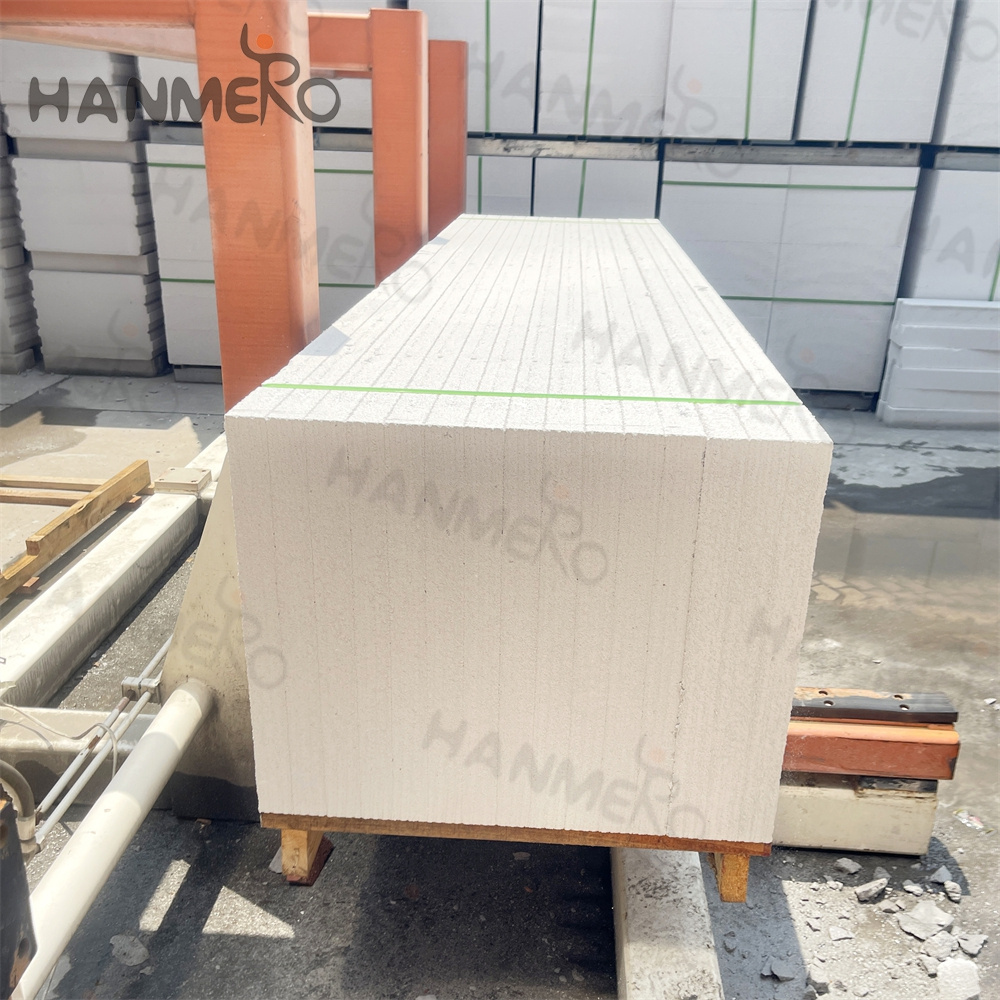
While many fire-rated materials rely on added chemical fire retardants that can degrade over time, the fire resistance of Autoclaved Aerated Concrete (ALC) is an inherent, permanent property of its very composition and structure. This "built-in" safety stems from a combination of chemical simplicity and a unique physical microstructure, earning it the highest possible Euroclass A1 non-combustible rating.
Chemically, ALC is inert. Its core ingredients—silica (SiO₂), lime (CaO), cement, and aluminum powder—are all inorganic minerals. There are no hydrocarbons, plastics, or organic binders present to fuel a fire. When exposed to extreme heat, these materials do not undergo combustion (a chemical reaction with oxygen that releases heat). Instead, they may undergo physical changes like dehydration or crystal structure alteration, but they do not burn, produce flames, or contribute significant thermal energy to the fire. This is fundamentally different from materials like wood, PVC, or even some treated composites.
Physically, ALC's fire resistance is engineered into its cellular structure. The autoclaving process creates a matrix of millions of tiny, closed air pockets trapped within a solid silicate skeleton. This structure is the key to its thermal performance. The air pockets are poor conductors of heat, creating a highly effective thermal barrier. When one face of an ALC panel is exposed to fire, heat transfer through the panel is remarkably slow. The water of crystallization within the calcium silicate hydrates slowly vaporizes, absorbing significant heat energy in the process (a phenomenon called "heat sink" effect). This combination of low thermal conductivity and endothermic reactions ensures the unexposed face stays below the critical temperature (typically 140°C above ambient) for hours, preventing fire spread and maintaining structural integrity.


