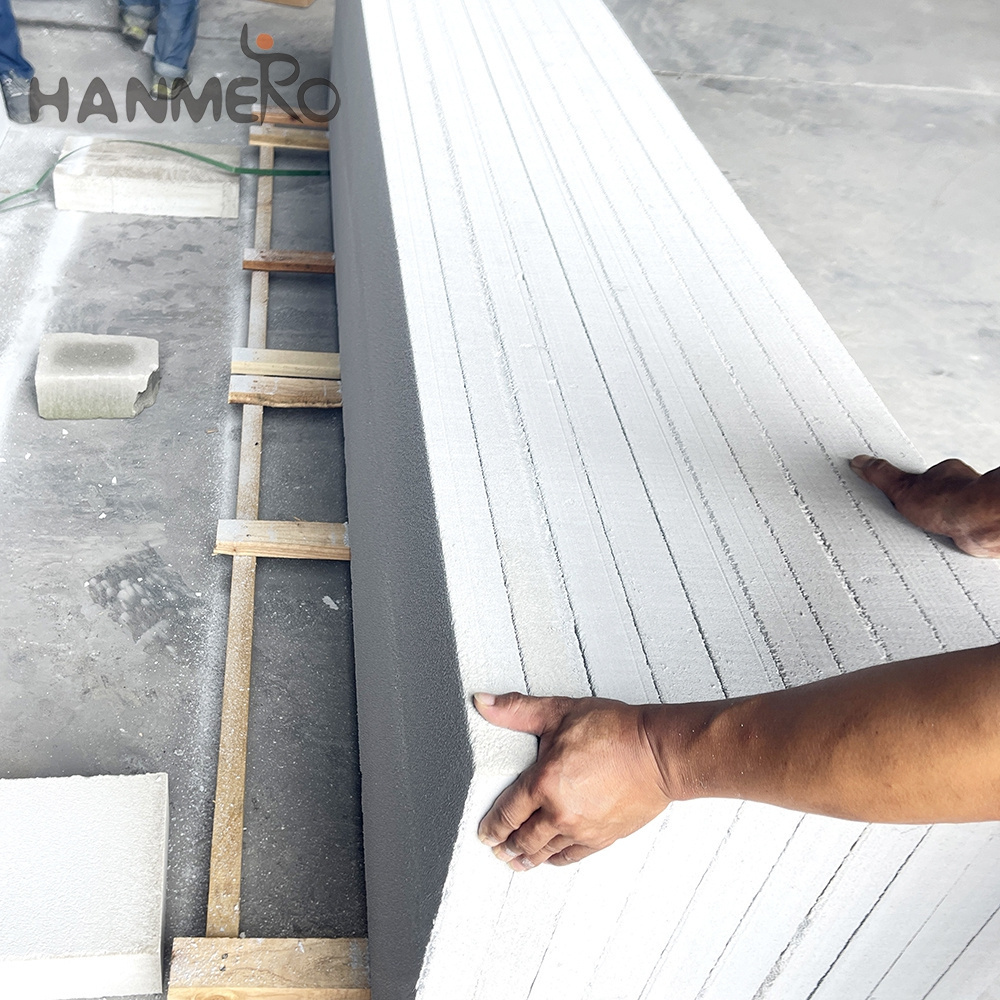
ALC (Autoclaved Lightweight Concrete) wall panels have rapidly gained popularity in the construction industry thanks to their exceptional combination of physical properties and functional advantages. Unlike traditional concrete or clay bricks, these panels are manufactured through a precise autoclaving process that creates a uniformly cellular structure, resulting in material characteristics that benefit both builders and property owners.
First and foremost, ALC wall panels are extremely lightweight, weighing only about 1/5 of traditional concrete and 1/3 of clay bricks. This dramatically reduces the overall dead load of buildings, allowing engineers to design lighter foundation systems that cut down both material costs and construction time. Despite their low weight, these panels maintain impressive structural strength, with compressive strengths typically ranging from 3.5MPa to 5.0MPa – more than sufficient for most non-load-bearing and even some semi-load-bearing wall applications.
Another standout feature is their exceptional thermal insulation performance. The millions of tiny air bubbles trapped within the ALC material create a natural thermal barrier, delivering thermal conductivity values as low as 0.13W/(m·K). This means buildings constructed with ALC walls require significantly less energy for heating and cooling, leading to annual HVAC cost reductions of up to 40% compared to conventional masonry walls. The material also exhibits excellent fire resistance, achieving 4-hour fire ratings for standard 100mm thickness panels, far exceeding the performance of many alternative wall materials.