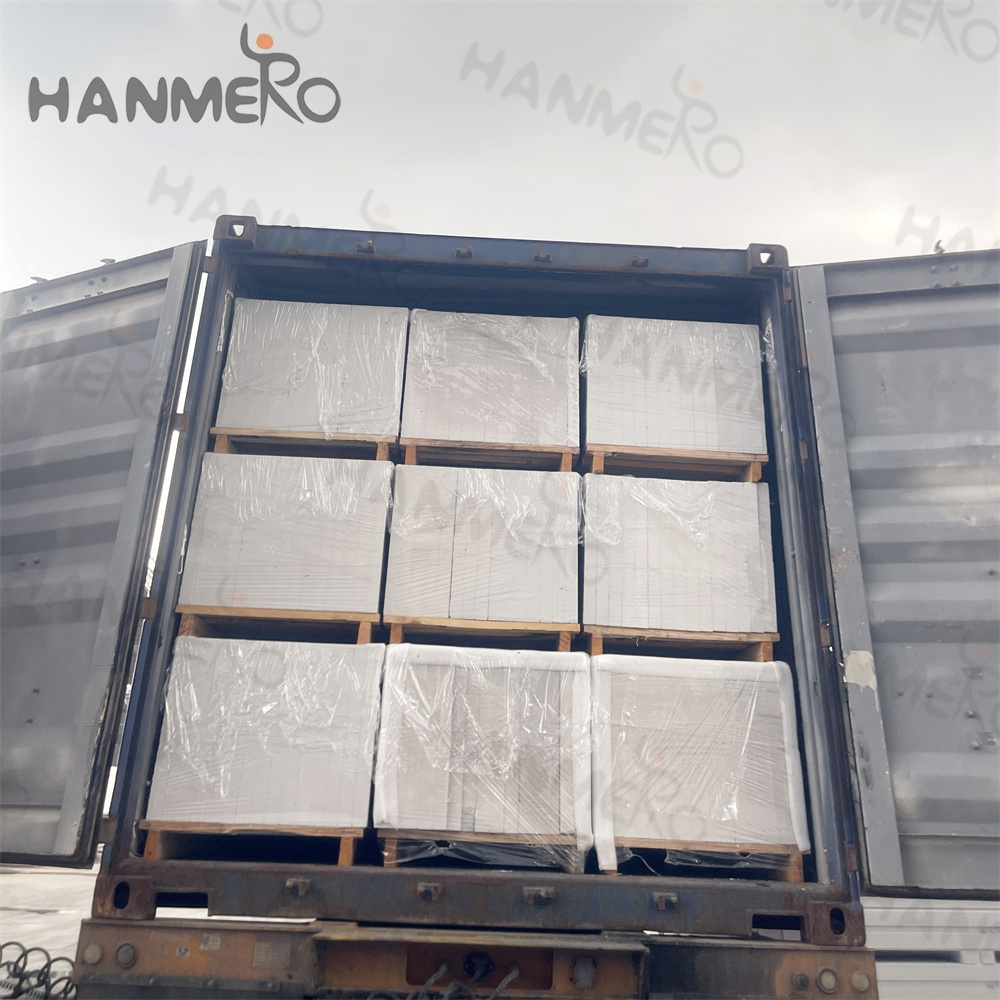
Passive fire protection’s ultimate goal is to prevent structural collapse, giving occupants time to escape and firefighters a stable environment. While ALC is renowned for creating fire-resistant compartments, an equally vital application is as fire-resistive shielding for the building’s skeleton—its columns, beams, and load-bearing walls. In this role, ALC panels provide a robust, permanent alternative to spray-applied fireproofing or intumescent coatings, particularly in harsh or aesthetically sensitive environments.
For structural steel, the weak point is its rapid loss of strength at temperatures above 550°C. ALC panel enclosures (or “wrap-arounds”) form a protective box around steel members. The panels’ low thermal conductivity ensures the steel temperature rises slowly, maintaining its load-bearing capacity for the duration of the fire rating (2, 3, or 4 hours). Unlike spray coatings that can be damaged during construction or maintenance, ALC shields are physically robust. They are ideal for parking garages (resistant to impact), industrial plants (resistant to moisture and chemicals), or architecturally exposed structures where a clean, finished appearance is required.
For concrete structures, especially thin pre-cast elements or those with exposed aggregate where spalling is a risk, ALC panels act as an sacrificial thermal buffer. By absorbing and dissipating heat, they prevent the concrete surface from reaching the critical temperature where explosive spalling occurs, which exposes reinforcement to direct heat. This application is crucial in modern construction with high-strength concrete, which is more prone to spalling. Using ALC as an external, non-load-bearing cladding for core walls or shear walls provides an additional layer of safety, ensuring the primary structural system remains intact far longer than code minimums, a key factor in resilience-based design for extreme events.


