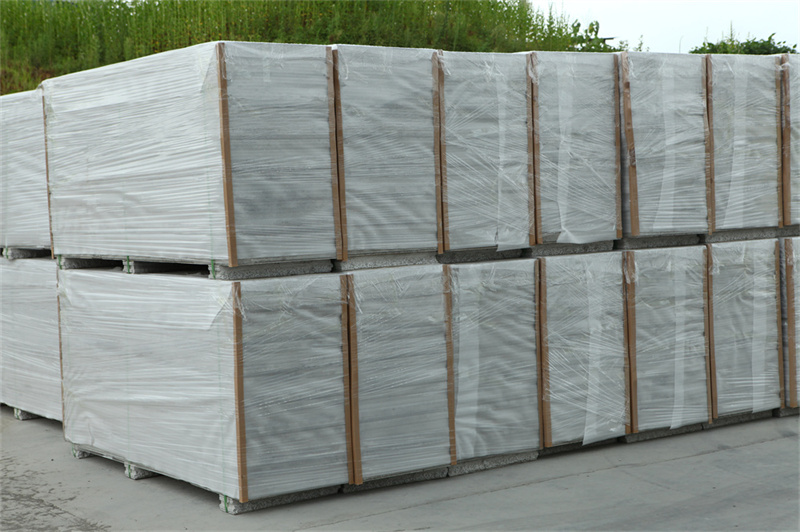
For small and medium-sized construction contractors with limited budgets, every material choice directly impacts profit margins, and a clear cost-benefit analysis of the EPS cement sandwich wall panel will show why it delivers far higher long-term returns than traditional materials. Let’s take a 500-square-meter 3-story residential building as an example to break down all related costs.
The upfront material cost of an EPS cement sandwich wall panel is about 15% higher than hollow concrete blocks, but this extra cost is quickly offset by three major savings. First, the fast installation speed of the EPS cement sandwich wall panel cuts on-site labor costs by 45%, since the whole wall construction can be finished in 12 days instead of 30 days for block walls. Second, no extra plastering work is needed after installing the EPS cement sandwich wall panel, saving another 10% on finishing materials and labor. Third, the 30% lower annual HVAC energy bills for the homeowner will make your project much easier to sell at a premium price 5% higher than similar properties using traditional walls.
When you calculate the total 10-year lifecycle cost, choosing the EPS cement sandwich wall panel brings a net profit increase of over 12% for small builders, while also reducing customer complaints about wall cracks and poor insulation after handover.


