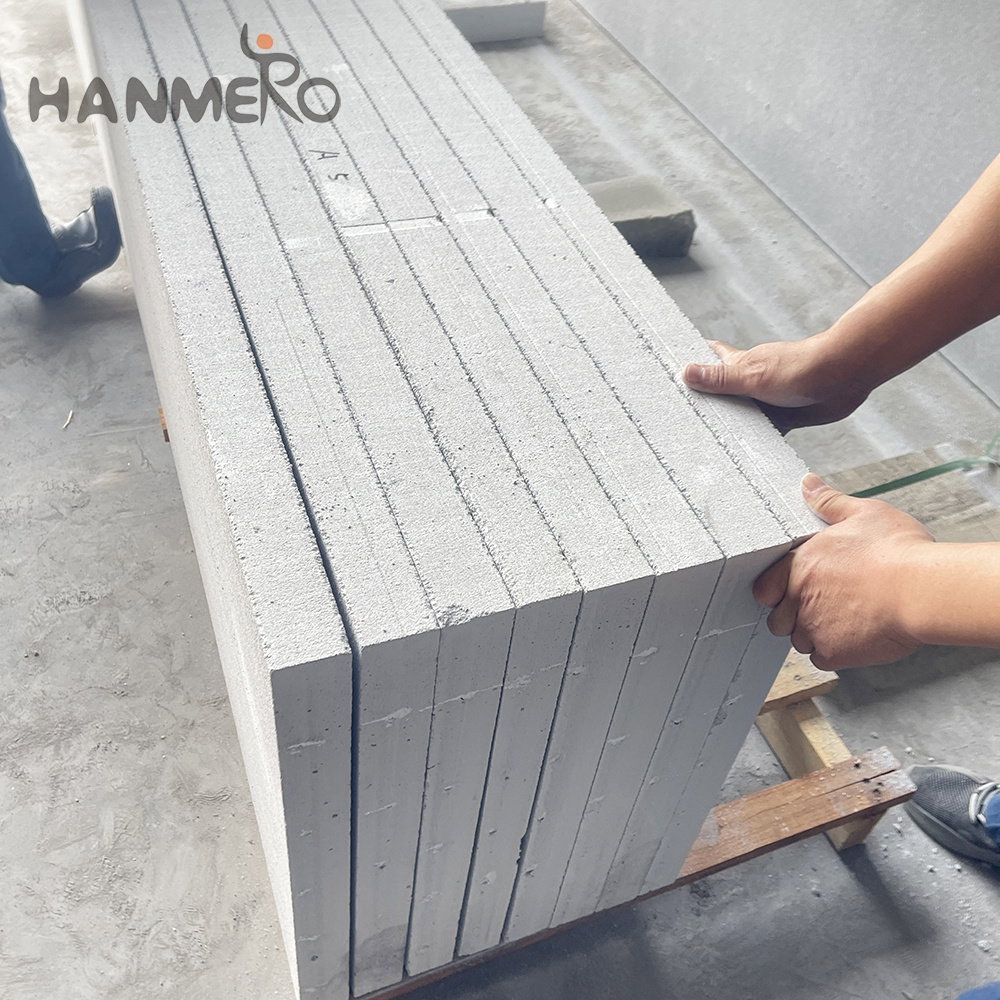
Even the highest-quality ALC wall panel cannot deliver its full performance if installed incorrectly — and avoiding these common mistakes can help construction teams achieve a seamless, crack-free wall system that lasts for decades. The first critical mistake many new contractors make is not reserving proper expansion joints during installation. Since the ALC wall panel has a slight linear expansion rate of 0.8mm/m under temperature changes, leaving no gaps between panels will lead to uneven stress and visible surface cracks within 1–2 years. Industry best practices recommend reserving a 3–5mm gap between each ALC wall panel, and filling the space with specialized flexible anti-crack mortar instead of rigid ordinary cement.
Another frequent error is using unsuitable anchoring methods to fix the ALC wall panel to the main building structure. Many teams try to use ordinary steel nails to secure panels, but this can cause local cracking around the nail holes because the lightweight concrete structure of the ALC wall panel has different stress characteristics from traditional concrete. The correct approach is to use specialized L-shaped galvanized connecting pieces, fixed to the steel frame or concrete beam with expansion bolts, and embedded into the side grooves of the ALC wall panel. This method creates a flexible connection that allows slight structural displacement during earthquakes, greatly improving the wall’s overall seismic performance.
The final key step for a perfect ALC wall panel installation is the surface treatment process. Before applying putty or decorative finishes, workers must roll a layer of interface agent on the panel surface to increase adhesion, and embed alkali-resistant fiberglass mesh across all panel joints. This process prevents the finish layer from peeling off due to different shrinkage rates between the ALC wall panel and the plaster material. Following these standardized best practices can reduce post-installation repair rates by over 90%, ensuring the wall stays smooth, intact, and high-performance for its entire service life.