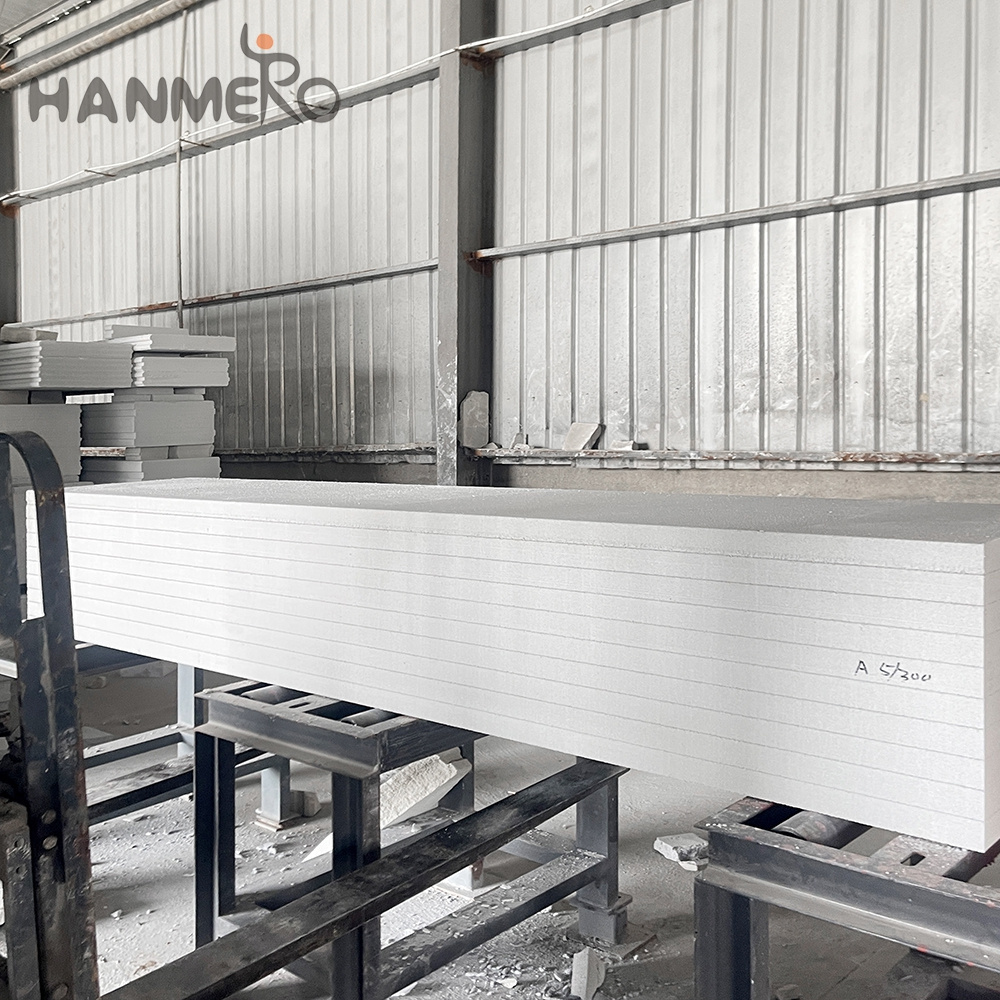
As the global construction industry races toward carbon neutrality, the ALC wall panel has emerged as a core material that perfectly aligns with net-zero building design goals, thanks to its ultra-low carbon footprint and exceptional energy-saving performance. The autoclaved curing process used to produce the ALC wall panel can recycle over 80% of industrial waste such as fly ash and slag as raw materials, diverting millions of tons of solid waste from landfills every year. Compared to traditional clay brick production, which emits 2.3 tons of CO₂ per 1000 bricks, manufacturing one cubic meter of ALC wall panel generates 55% fewer greenhouse gas emissions.
The thermal mass performance of the ALC wall panel plays a critical role in reducing a building’s operational carbon emissions. Unlike lightweight insulation materials that only block heat transfer, the dense porous structure of the ALC wall panel can store thermal energy, slowing down indoor temperature fluctuations by 4–6 hours. This "thermal buffer" effect reduces peak demand for air conditioning and heating systems, allowing net-zero buildings to rely more on renewable energy such as solar power without experiencing power supply shortages during extreme weather. A recent LEED-certified office building in Shanghai reported that using ALC wall panel helped it cut annual heating and cooling energy use by 32%, easily meeting the project’s net-zero emission targets.
100% recyclability is the final piece that makes the ALC wall panel a fully circular building material. When a building reaches the end of its service life, demolished ALC wall panel can be crushed and reused as raw material for new panel production or as lightweight filler for road construction, creating zero non-degradable construction waste. For project teams pursuing BREEAM or DGNB green building certifications, choosing ALC wall panel can earn extra credits in the "circular material" and "embodied carbon" categories, making it much easier to achieve the highest level of green building recognition.