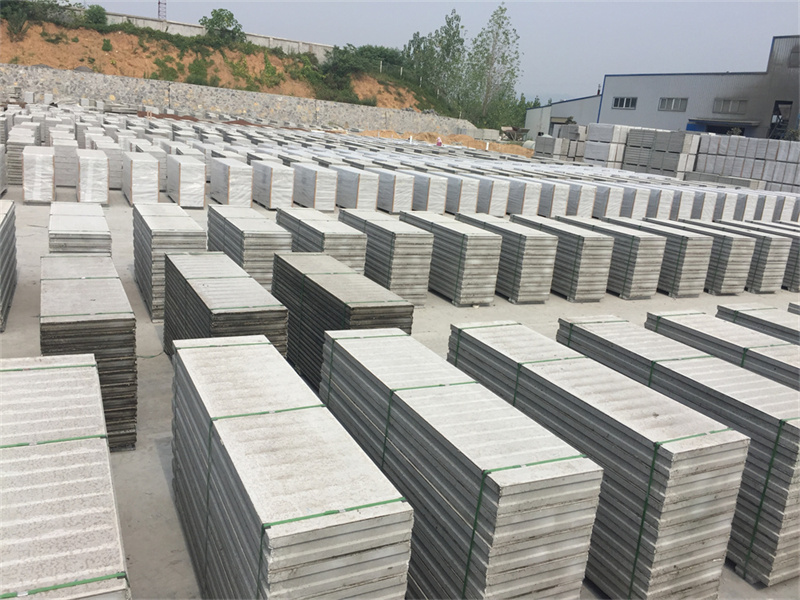
Introduction: The Perfect Partition Wall Solution
Interior partition walls are one of the most common applications in construction. From dividing office spaces to separating hotel rooms, creating apartment layouts to organizing hospital wards—interior walls are everywhere.
Traditionally, these walls were built with brick, concrete block, or drywall (gypsum board). Each material has limitations: brick is heavy and slow, concrete requires curing time, and drywall lacks durability and sound insulation.
EPS partition wall panels offer the ideal solution—combining speed, durability, acoustic performance, and cost-effectiveness in one product.
Why Choose EPS Panels for Interior Partitions?The Perfect Balance:EPS partition panels strike the optimal balance between:
- Weight: Light enough for easy handling
- Strength: Solid enough for durability
- Sound: Excellent acoustic performance
- Speed: Fast installation
- Cost: Competitive total installed cost
- Fire safety: Non-combustible
Comparison with Alternatives:| Feature | EPS Panel | Brick | Drywall |
|----------------------|-----------|-------|---------|
| Installation Speed | 50-80 m²/day | 5-8 m²/day | 40-60 m²/day |
| Weight | 55-60 kg/m² | 400+ kg/m² | 25-30 kg/m² |
| Sound Insulation | 42-48 dB | 45-48 dB | 35-40 dB |
| Fire Rating | A1 | A1 | A2 |
| Impact Resistance | Excellent | Excellent | Poor |
| Hanging Strength | 50+ kg | Unlimited | 15 kg |
| Water Resistance | Excellent | Good | Poor |
Recommended Panel Thickness for Interior Walls75mm Panel:- Weight: 45-50 kg/m²
- Sound insulation: 38 dB
- Applications: Office partitions, general interior walls
- Best for: Budget-conscious projects, temporary partitions
100mm Panel (Most Popular):- Weight: 55-60 kg/m²
- Sound insulation: 42 dB
- Applications: Hotel rooms, apartments, offices, hospitals
- Best for: Most interior partition applications
120mm Panel:- Weight: 65-70 kg/m²
- Sound insulation: 45 dB
- Applications: Premium hotels, hospitals, conference rooms
- Best for: Applications requiring higher sound insulation
150mm Panel:- Weight: 75-80 kg/m²
- Sound insulation: 48 dB
- Applications: Recording studios, high-end hotels, private offices
- Best for: Maximum sound isolation requirements
Application 1: Office PartitionsThe Office Environment Challenge:Modern offices require flexible, reconfigurable spaces. Traditional brick walls are permanent and expensive to modify. Drywall lacks durability in high-traffic commercial environments.
EPS Panel Solution:- Quick installation: New office layout in days, not weeks
- Reconfigurable: Panels can be removed and reinstalled
- Solid feel: Professional appearance and durability
- Sound insulation: Private meeting rooms and offices
- Fire safety: Meets commercial building codes
Installation Example:A 500 m² office with 20 private offices and meeting rooms can be completed in 5-7 days with EPS panels, compared to 3-4 weeks with traditional methods.
Application 2: Hotel Room PartitionsHotel Requirements:- Excellent sound insulation between rooms
- Fire safety compliance
- Fast construction for project timeline
- Durability for long-term operation
- Water resistance for bathroom areas
EPS Panel Advantages for Hotels:1. Sound Insulation100mm panels provide 42 dB sound reduction—exceeding most hotel brand standards for guest comfort.
2. Fire SafetyClass A1 fire rating meets or exceeds hotel fire codes worldwide.
3. SpeedA 100-room hotel can save 2-3 months of construction time using EPS panels.
4. Water ResistancePanels can be used for bathroom walls without waterproofing treatment.
5. MaintenanceSolid construction resists damage from guest use and cleaning.
Application 3: Residential Interior WallsApartment and Home Applications:- Bedroom partitions
- Living area divisions
- Kitchen walls
- Bathroom walls
- Basement finishing
Benefits for Homeowners:- Thinner walls mean more living space
- Sound insulation for privacy
- Fire safety for family protection
- Energy efficiency for thermal comfort
- Can hang TVs, cabinets, and heavy items
Application 4: Hospital and Healthcare FacilitiesHealthcare Requirements:- Fire safety: Critical for patient safety
- Sound insulation: Patient privacy and rest
- Water resistance: Frequent cleaning and disinfection
- Infection control: Non-porous surfaces
- Speed: Fast construction for urgent facilities
EPS Panel Performance:- Class A1 fire rating
- 42-48 dB sound insulation
- Water-resistant surface tolerates cleaning
- Smooth surface for easy sanitation
- No harmful emissions (important for patient health)
Application 5: School and Educational BuildingsEducational Facility Needs:- Durable walls for high-traffic use
- Sound insulation for classrooms
- Fire safety for student protection
- Cost-effective for budget-conscious institutions
EPS Panel Benefits:- Impact-resistant surface withstands daily use
- Creates quiet learning environments
- Fire-rated walls for safety
- Lower total cost allows more investment in education
Application 6: Commercial and Retail SpacesRetail Applications:- Store dividers in shopping malls
- Back-of-house walls
- Storage room partitions
- Food court dividers
Commercial Advantages:- Fast tenant fit-out
- Reconfigurable for changing needs
- Professional appearance
- Reduced construction disruption to adjacent businesses
Sound Insulation: A Critical FactorWhy Sound Matters for Interior Walls:In any multi-occupancy building—hotels, apartments, offices, hospitals—sound insulation directly impacts occupant satisfaction and privacy.
EPS Panel Sound Performance:The multi-layer sandwich structure is highly effective at blocking airborne sound (speech, music, TV) and reducing impact sound transmission.
Sound Insulation by Thickness:- 75mm: 38 dB (Standard office partitions)
- 100mm: 42 dB (Hotel rooms, apartments)
- 120mm: 45 dB (Premium applications)
- 150mm: 48 dB (Maximum privacy)
Meeting Building Codes:Most building codes require minimum sound insulation of 40 dB for interior walls between dwellings. 100mm EPS panels exceed this requirement.
Installation Advantages for Interior ApplicationsClean Construction:- No wet mortar mixing
- Minimal dust and debris
- Reduced noise during installation
- Less disruption to building operations
Speed:- 10 times faster than brick
- Immediate surface finishing
- No curing or drying time
- Fast track projects possible
Flexibility:- Easy to cut for electrical boxes and conduits
- Simple to create door and window openings
- Can be modified for future renovations
Electrical and Mechanical IntegrationInstalling Electrical Outlets:1. Mark outlet locations on panel
2. Cut openings using hand saw or angle grinder
3. Install electrical boxes and conduits
4. Fill around boxes with mortar
5. Finish surface
Installing Switches:- Standard switch boxes fit directly into panels
- Conduits can run through core
- No special tools required
Hanging Items:Thanks to the solid cement core:
- Expansion bolts: 50+ kg capacity
- Standard screws: 10-20 kg capacity
- Toggle bolts: 30-50 kg capacity
Can hang:- TVs
- Air conditioning units
- Water heaters
- Kitchen cabinets
- Artwork and mirrors
Finishing OptionsPaint:- Direct application after joint treatment
- Use any standard interior paint
- Multiple coats as needed
Wallpaper:- Apply wallpaper primer first
- Standard wallpaper application
- Excellent adhesion to cement surface
Tiles:- Apply tile adhesive directly
- Suitable for bathroom and kitchen walls
- No special preparation needed
Decorative Panels:- Can be applied with adhesive
- Creates premium appearance
- Hotels often use this option
Cost Analysis for Interior PartitionsTraditional Drywall System:- Gypsum board: $8-12/m²
- Framing: $5-8/m²
- Insulation: $3-5/m²
- Labor: $10-15/m²
- Joint compound and tape: $2-3/m²
- Total: $28-43/m²
- Limitations: Poor sound insulation, low impact resistance, fire rating A2
EPS Panel System:- Panel (100mm): $18-25/m²
- Labor: $8-12/m²
- Joint treatment: $2-4/m²
- Total: $28-41/m²
- Advantages: Excellent sound insulation, high impact resistance, fire rating A1
Result:EPS panels cost similar to or less than quality drywall systems while delivering superior performance.
Renovation and Remodeling AdvantagesPerfect for Renovations:- Lightweight panels don't overload existing floors
- Clean installation minimizes disruption
- Fast completion for occupied buildings
- Can be installed over existing flooring
Office Building Retrofits:- Create new layouts without structural changes
- Reconfigure spaces for new tenants
- Add private offices to open floor plans
Hotel Renovations:- Update room layouts quickly
- Minimize room downtime
- Improve sound insulation in older buildings
Conclusion: The Smart Choice for Interior WallsEPS partition wall panels offer the ideal combination of performance, speed, and value for interior wall applications:- Lightweight yet strong
- Excellent sound insulation
- Fire safety compliance
- Water resistance
- Fast installation
- Competitive cost
- Versatile finishing options
Whether you're building a hotel, office, hospital, school, or residential project, EPS panels deliver superior interior walls that perform better and cost less over the building's lifetime.
FAQQ: What thickness should I choose for interior partition walls?
A: For most applications, 100mm panels provide the best balance of performance and cost. Use 75mm for budget projects and 120-150mm for premium sound insulation.
Q: Can EPS panels support doors?
A: Yes. Standard door frames can be installed in EPS panel walls. Use appropriate framing around the door opening.
Q: How do I install electrical outlets?
A: Cut openings in the panel, install electrical boxes, run conduits through the core, and fill around boxes with mortar.
Q: Can EPS panels be used for bathroom walls?
A: Absolutely. EPS panels are water-resistant and suitable for bathroom partitions. They can be tiled directly.
Q: Are EPS partition walls fire-rated?
A: Yes. All EPS panels are Class A1 non-combustible, meeting fire code requirements for interior walls.
Q: Can I remove and reuse panels?
A: Yes, with careful removal, panels can be reinstalled. This is valuable for office reconfigurations.