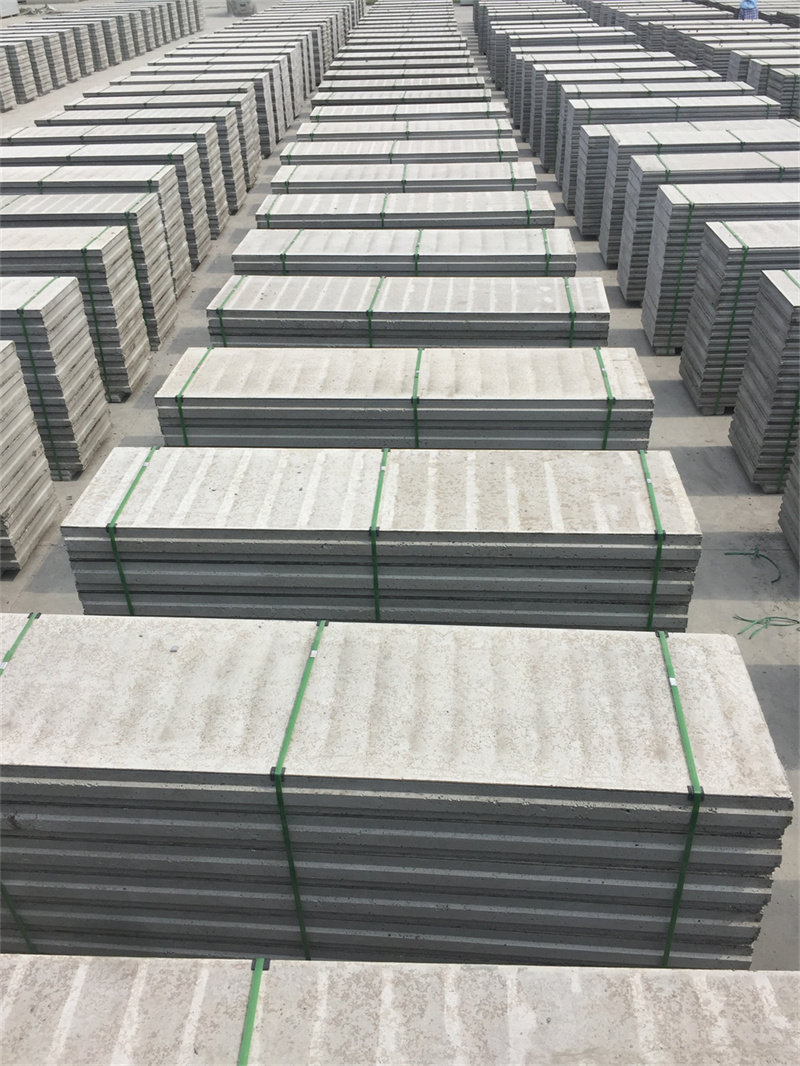
Introduction: Building a Greener Future with EPS Composite Wall Panels
The construction industry accounts for nearly 40% of global carbon emissions and consumes approximately 36% of global energy. As governments tighten environmental regulations and developers prioritize green building certifications, the demand for sustainable construction materials has never been higher.
Eco-friendly EPS wall panels offer a compelling solution. These EPS composite wall panels combine lightweight construction, superior insulation, and minimal environmental impact—helping builders meet sustainability targets without sacrificing performance or affordability.
In this guide, we examine the environmental advantages of EPS wall panels, their contribution to green building certifications, carbon footprint comparisons with traditional materials, recyclability, and real-world applications in sustainable construction.
1. The Environmental Challenge in ConstructionBefore examining EPS panel sustainability, it is important to understand the scale of the environmental challenge:
| Factor | Construction Impact | EPS Panel Opportunity |
|------------------------------|----------------------------------|----------------------------------|
| CO₂ Emissions | 11% of global total | 60-80% reduction per m² of wall |
| Energy Consumption | 36% of global total | 30-50% reduction in building operation |
| Construction Waste | 30-40% of landfill waste | <3% waste with factory-precise panels |
| Water Usage | 15% of industrial water | 40-60% less water in construction |
| Raw Material Depletion | 50% of raw materials globally | Less cement, steel, and sand per m² |
The two biggest environmental impacts of construction are:
1. Embodied carbon: The CO₂ emitted during material production and construction
2. Operational carbon: The CO₂ emitted during building use (heating, cooling)
EPS wall panels address both.
2. Embodied Carbon: Production Phase AnalysisEmbodied carbon measures the total greenhouse gas emissions from material extraction, manufacturing, transportation, and construction.
Embodied Carbon per Square Meter of Wall:
| Wall System | Thickness | Embodied CO₂ (kg/m²) | vs. Brick Wall |
|----------------------------|-----------|----------------------|----------------|
| Traditional Brick Wall | 280mm | 85-110 | Baseline |
| Concrete Block Wall | 200mm | 70-90 | 15-20% lower |
| AAC Panel Wall | 100mm | 40-55 | 45-55% lower |
| EPS Composite Wall Panel | 100mm | 30-45 | 55-70% lower |
| Gypsum Drywall | 100mm | 25-35 | 65-75% lower |
Embodied Carbon Breakdown (100mm EPS Panel):
| Component | CO₂ Contribution | Percentage |
|---------------------------|-----------------|------------|
| Portland Cement | 18-22 kg/m² | 55-60% |
| Calcium Silicate Facings | 6-8 kg/m² | 18-22% |
| EPS Beads | 2-3 kg/m² | 6-8% |
| Sand & Additives | 1-2 kg/m² | 3-5% |
| Transportation | 2-4 kg/m² | 6-10% |
| Production Energy | 1-2 kg/m² | 3-5% |
Key Insight:
Cement production is the largest contributor to embodied carbon in EPS panels. The good news is that EPS panels use significantly less cement per square meter of wall compared to traditional masonry, and the trend toward low-carbon cement (LC3, geopolymer cement) will further reduce the footprint.
3. Operational Carbon: Energy Efficiency ImpactWhile embodied carbon is a one-time cost, operational carbon accumulates over the building's entire lifespan. This is where EPS panels deliver their greatest environmental benefit.
Thermal Performance Comparison:
| Wall Type | U-Value (W/m²·K) | Annual Heating Energy (kWh/m²) | Annual Cooling Energy (kWh/m²) |
|----------------------------|-------------------|-------------------------------|-------------------------------|
| Brick Wall (240mm) | 2.0-2.5 | 80-120 | 60-90 |
| Concrete Block (200mm) | 2.5-3.0 | 90-130 | 65-95 |
| AAC Panel (100mm) | 0.8-1.2 | 50-70 | 35-55 |
| EPS Panel (100mm) | 0.5-0.8 | 35-55 | 25-40 |
| EPS Panel (150mm) | 0.3-0.5 | 25-40 | 18-30 |
50-Year Carbon Savings (Per 1,000 m² of Exterior Wall):
| Wall Type | 50-Year Operational CO₂ (tonnes) | Savings vs. Brick |
|----------------------|----------------------------------|-------------------|
| Brick Wall (240mm) | 700-1,000 | Baseline |
| AAC Panel (100mm) | 450-650 | 30-40% |
| EPS Panel (100mm) | 300-500 | 45-55% |
| EPS Panel (150mm) | 200-350 | 55-70% |
The combined embodied + operational carbon savings make EPS composite wall panels one of the most effective strategies for reducing a building's total carbon footprint.
4. Green Building Certification: LEED, BREEAM, and MoreEco-friendly EPS wall panels contribute to multiple green building certification systems:
LEED (Leadership in Energy and Environmental Design):
| LEED Credit Category | Points Available | EPS Panel Contribution |
|---------------------------|-----------------|-----------------------------------------|
| Energy & Atmosphere | Up to 33 points | Superior insulation reduces energy use |
| Materials & Resources | Up to 13 points | Low embodied carbon, recyclable content |
| Indoor Environmental Quality | Up to 16 points| Zero VOC, zero formaldehyde, zero asbestos|
| Innovation | Up to 6 points | Novel composite material, prefabrication|
BREEAM (Building Research Establishment Environmental Assessment Method):
| BREEAM Category | Credits Available | EPS Panel Contribution |
|---------------------------|-------------------|----------------------------------------|
| Energy | Up to 15 credits | Excellent U-values reduce operational energy |
| Materials | Up to 5 credits | Low environmental impact, responsible sourcing |
| Health & Wellbeing | Up to 8 credits | No harmful emissions, good acoustics |
| Waste | Up to 2 credits | Minimal construction waste (<3%) |
Other Certifications:
| Certification | Region | EPS Panel Relevance |
|----------------|--------------|--------------------------------------|
| Green Star | Australia | Contributes to energy and materials credits |
| DGNB | Germany | Supports lifecycle assessment goals |
| CASBEE | Japan | Improves building environmental efficiency |
| EDGE | World Bank | 20%+ energy savings easily achievable|
| China 3-Star | China | Meets energy and material requirements|
Typical Certification Outcomes:
A commercial building using EPS composite wall panels for all exterior and partition walls can typically achieve:
- LEED: 15-25 additional points from panel-related credits
- BREEAM: 8-15 additional credits from panel-related categories
- EDGE: 30-40% energy savings (exceeding the 20% minimum)
5. Recyclability and End-of-Life ConsiderationsThe circular economy is increasingly important in construction. Here is how EPS wall panels perform across their lifecycle:
Manufacturing Phase:
| Material | Recycled Content | Source |
|---------------|-----------------|----------------------------|
| EPS Beads | Up to 30% | Recycled EPS from packaging|
| Cement | 5-10% | Industrial byproducts (fly ash, slag)|
| Sand | 0% | Natural resource |
| Facing Board | 10-20% | Recycled cellulose fiber |
Construction Phase:
- On-site waste: <3% (compared to 10-15% for brick/mortar construction)
- Off-cuts: Can be crushed and used as lightweight aggregate
- Packaging: Recyclable pallets and wrapping
End-of-Life Phase:
| Component | Recyclability | Recovery Method |
|----------------------|-----------------|-----------------------------|
| EPS Beads | High | Separation and re-processing|
| Cement Matrix | Moderate | Crushing for road base/fill |
| Calcium Silicate Board| Moderate | Crushing for aggregate |
While full panel recycling requires specialized processing, the components can be recovered and repurposed. The key environmental advantage is that EPS panels last 50+ years, meaning the end-of-life impact is amortized over a very long service life.
6. Resource Efficiency: Less Material, Better PerformanceEPS wall panels achieve more with less—delivering equivalent or better performance using significantly fewer raw materials:
Material Consumption per 100 m² of Wall:
| Material | Brick Wall (240mm) | EPS Panel (100mm) | Savings |
|---------------------|--------------------|--------------------|------------|
| Cement (kg) | 1,800-2,200 | 350-450 | 75-80% |
| Sand (kg) | 8,000-10,000 | 200-300 | 95-97% |
| Clay/Soil (kg) | 15,000-20,000 | 0 | 100% |
| Steel (kg) | 150-250 | 30-50 | 75-80% |
| Water (liters) | 3,000-5,000 | 150-250 | 90-95% |
| EPS Beads (kg) | 0 | 40-60 | N/A (new) |
Environmental Implications:
- 75-80% less cement = 75-80% less cement-related CO₂
- 95-97% less sand = reduced riverbed mining and ecosystem damage
- Zero clay = no topsoil depletion from brick manufacturing
- 90-95% less water = significant water conservation
7. Zero Harmful Emissions: Indoor Air QualityIndoor air quality is a growing health concern. Many building materials emit volatile organic compounds (VOCs), formaldehyde, or other harmful substances.
EPS Wall Panel Safety Profile:
| Substance | Present in EPS Panel | Common in Other Materials |
|----------------------|---------------------|----------------------------|
| Formaldehyde | Zero | Plywood, MDF, insulation |
| Asbestos | Zero | Older building materials |
| VOC Emissions | Zero | Paint, adhesives, carpets |
| Radioactive Substances| Zero | Some natural stone, fly ash|
| Heavy Metals | Zero | Some paints, treated wood |
Certifications:
| Certification | What It Certifies | EPS Panel Status |
|------------------|-----------------------------|-------------------|
| GREENGUARD Gold | Low chemical emissions | Eligible |
| Eurofins Indoor Air Comfort | Low VOC emissions | Eligible |
| AgBB | German indoor air standard | Compliant |
This makes EPS panels ideal for hospitals, schools, daycare centers, and any building where occupant health is a priority.
8. Real-World Green Building ApplicationsCase Study 1: LEED Gold Residential Complex, Dubai
| Parameter | Detail |
|-----------------------|-------------------------------------|
| Building Type | 12-story residential (200 units) |
| Wall System | 150mm EPS panels, all exterior walls|
| Energy Savings | 42% vs. ASHRAE baseline |
| LEED Points from Panels| 18 points (Energy + Materials) |
| Payback Period | 3.2 years (energy savings vs. cost premium) |
Case Study 2: BREEAM Excellent Office Building, London
| Parameter | Detail |
|-----------------------|-------------------------------------|
| Building Type | 5-story office (8,000 m²) |
| Wall System | 100mm EPS panels, interior partitions|
| Construction Waste | 1.8% (vs. 12% industry average) |
| BREEAM Credits | 12 credits from panel-related categories|
Case Study 3: Green Star Hotel, Melbourne
| Parameter | Detail |
|-----------------------|-------------------------------------|
| Building Type | 8-story hotel (150 rooms) |
| Wall System | 100mm EPS panels throughout |
| Thermal Performance | 55% below NCC 2019 requirements |
| Guest Comfort | STC 42+ between rooms |
9. Carbon Payback Period: When Do EPS Panels Become Carbon-Positive?The carbon payback period measures how long it takes for the operational carbon savings to offset the embodied carbon of the material:
| Wall Type | Embodied Carbon (kg CO₂/m²) | Annual Carbon Saving (kg CO₂/m²/yr) | Payback Period |
|---------------------|-----------------------------|--------------------------------------|----------------|
| Brick vs. EPS 100mm | 55-65 difference | 8-12 | 5-7 years |
| Brick vs. EPS 150mm | 60-70 difference | 12-18 | 4-5 years |
| AAC vs. EPS 100mm | 10-15 difference | 3-5 | 3-4 years |
With a typical building lifespan of 50+ years, EPS panels become carbon-positive within the first decade and continue delivering carbon savings for decades afterward.
Lifetime Carbon Impact (50 Years, per m²):
| Wall Type | Total 50-Year Carbon (kg CO₂/m²) | EPS Savings |
|---------------------|----------------------------------|----------------|
| Brick Wall (240mm) | 900-1,200 | Baseline |
| AAC Panel (100mm) | 600-800 | 25-35% |
| EPS Panel (100mm) | 400-600 | 45-55% |
| EPS Panel (150mm) | 300-450 | 55-70% |
Comparison Summary: Environmental Impact of Wall Materials| Environmental Factor | EPS Panel | AAC Panel | Brick Wall | Drywall |
|---------------------------|-----------|-----------|------------|---------|
| Embodied Carbon | Low | Moderate | High | Low |
| Operational Carbon (50yr) | Lowest | Low | Highest | High |
| Total Lifecycle Carbon | Lowest | Low | Highest | Moderate|
| Water Consumption | Very Low | Low | Very High | Low |
| Raw Material Use | Very Low | Moderate | Very High | Low |
| Construction Waste | <3% | 5-8% | 10-15% | 8-12% |
| Recyclability | Moderate | Moderate | Low | Moderate|
| VOC Emissions | Zero | Zero | Low | Low |
| LEED Contribution | High | Moderate | Low | Moderate|
| Carbon Payback | 4-7 years | 8-12 years| N/A | 6-10 yrs|
Conclusion: The Sustainable Choice for Modern ConstructionEco-friendly EPS wall panels represent one of the most effective strategies for reducing the environmental impact of construction. With 55-70% lower total lifecycle carbon emissions, zero harmful emissions, and significant contributions to green building certifications, EPS composite wall panels align economic performance with environmental responsibility.
As the construction industry moves toward net-zero carbon targets, materials that deliver both operational efficiency and low embodied carbon will become increasingly essential. EPS panels are ready today—delivering measurable environmental benefits while meeting the performance demands of modern buildings.
For your next project, consider specifying EPS wall panels and quantify the environmental advantages. The data speaks for itself.
FAQQ: Are EPS wall panels truly eco-friendly if they contain plastic foam?
A: Yes. While EPS is a petroleum-derived material, it constitutes only 5-8% of the panel by weight. The environmental benefits—75% less cement, 55-70% lower lifecycle carbon, 30-50% energy savings—far outweigh the small amount of EPS used. Additionally, EPS beads can incorporate up to 30% recycled content.
Q: Can EPS wall panels help achieve net-zero carbon buildings?
A: Yes. EPS panels significantly reduce both embodied and operational carbon, making them a key component in net-zero carbon building strategies. When combined with renewable energy systems, net-zero targets are achievable.
Q: Do EPS panels contribute to LEED certification points?
A: Absolutely. EPS panels contribute across multiple LEED categories including Energy & Atmosphere (superior insulation), Materials & Resources (low embodied carbon, recyclable content), and Indoor Environmental Quality (zero VOC emissions). A typical project can earn 15-25 additional LEED points from panel-related credits.
Q: What happens to EPS panels at end-of-life?
A: EPS panel components can be separated and processed for material recovery. The EPS beads can be extracted and reprocessed, while the cementitious matrix can be crushed for use as aggregate or road base. The long 50+ year lifespan means end-of-life processing is infrequent.
Q: How do EPS panels compare to hempcrete or other bio-based materials for sustainability?
A: Hempcrete has lower embodied carbon but lower structural strength and requires thicker walls. EPS panels offer a practical balance of sustainability and structural performance suitable for multi-story buildings where bio-based materials may not meet structural requirements.
Q: Are there any harmful emissions from EPS panels during fires?
A: No. In properly manufactured EPS wall panels, the EPS beads are fully encapsulated in cement. During fire exposure, the cement matrix protects the beads from ignition. The panels achieve Class A1 fire rating with minimal smoke emission, making them safe for occupied buildings.
Q: How much construction waste do EPS panels produce compared to traditional methods?
A: EPS panels produce less than 3% construction waste due to factory-precise dimensions, compared to 10-15% for brick and mortar construction. Off-cuts can be recycled as aggregate.
Q: What is the carbon payback period for EPS panels?
A: The carbon payback period—when operational carbon savings offset embodied carbon—is typically 4-7 years for EPS panels compared to brick walls. Over a 50-year building life, this means 43+ years of net carbon savings.