Introduction: Apartment Construction Challenges
Apartment construction presents unique challenges that differ from other building types. Developers must balance cost control, construction speed, space efficiency, sound insulation, fire safety, and long-term durability—all while meeting increasingly stringent building codes and energy efficiency standards.
Traditional construction methods often struggle to meet these competing demands. Brick partition walls are heavy, slow to install, and reduce usable floor space. Drywall systems offer speed but provide poor sound insulation and fire resistance. Lightweight concrete block walls require plastering and offer limited thermal performance.
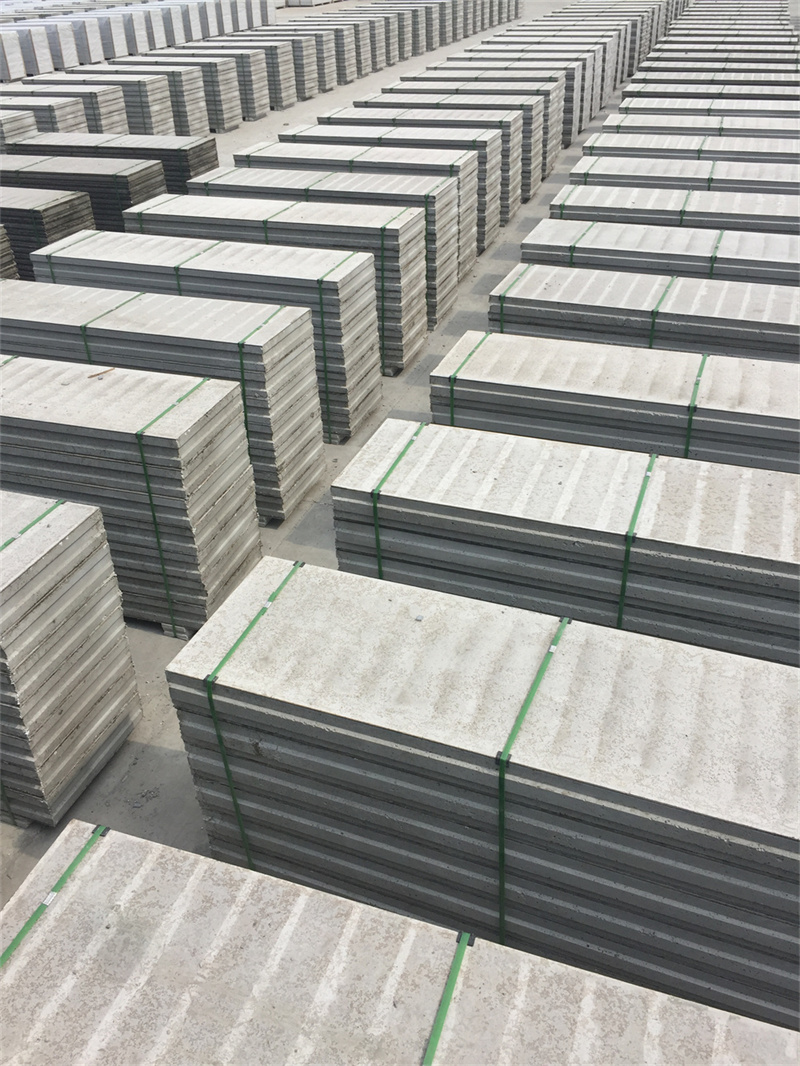
EPS wall panels have emerged as a game-changing solution for apartment construction. This article presents a detailed case study of a residential apartment project, analyzing the cost savings, construction timeline, space optimization, and acoustic performance that led the developer to choose EPS wall panels over traditional alternatives.
The results demonstrate why EPS panels are rapidly becoming the preferred choice for apartment partition walls in markets worldwide.
1. Project Overview: Riverside Gardens Apartment Complex1.1 Project Details
Project Profile:
| Parameter | Details |
|--------------------------|--------------------------------------------|
| Project Name | Riverside Gardens Apartment Complex |
| Location | Tier 2 city, Central China |
| Building Type | Residential apartment building |
| Stories | 18 floors above ground |
| Total Units | 216 apartments (12 per floor) |
| Unit Types | 1-bedroom (60 m²), 2-bedroom (90 m²), 3-bedroom (120 m²) |
| Total Wall Area | Approx. 28,000 m² of partition walls |
| Construction Start | March 2024 |
| Construction End | November 2024 (8 months total) |
1.2 Project Team
| Role | Participant |
|---------------------------|--------------------------------------------|
| Developer | Riverside Development Group |
| General Contractor | China Construction Engineering Corp. |
| Structural Engineer | Beijing Design Institute |
| EPS Panel Supplier | Local manufacturer (rated A-quality) |
| Project Manager | Mr. Zhang (15 years experience) |
1.3 The Decision: Why EPS Wall Panels
The developer evaluated three options for interior partition walls:
Options Considered:
| Option | Wall System | Decision Factors |
|---------------------------|-------------------------------------------|----------------------------------------|
| Option A | 240mm brick + plaster | Baseline; slow; space-inefficient |
| Option B | 100mm aerated concrete block + plaster | Medium speed; plastering required |
| Option C (Selected) | 100mm EPS cement sandwich panel | Fastest; best value; space-efficient |
Selection Rationale:
- Construction speed was critical (developer needed early occupancy)
- Space efficiency directly impacts saleable floor area
- Sound insulation between units was a priority selling point
- Fire resistance required for residential building
- Total installed cost favored EPS panels
2. Cost Analysis2.1 Material Cost Comparison
Direct material costs per square meter of wall:
| Material | Cost per m² | Quantity (28,000 m²) | Total Material Cost |
|-------------------------------------|-------------|----------------------|---------------------|
| Brick (240mm) + cement/sand | $15.00 | 28,000 m² | $420,000 |
| Aerated concrete block + mortar | $17.00 | 28,000 m² | $476,000 |
| EPS wall panel (100mm) | $22.00 | 28,000 m² | $616,000 |
Initial Observation: EPS panel material cost is 47% higher than brick.
2.2 Labor Cost Comparison
Labor costs per square meter of wall:
| Task | Brick Wall | AAC Block | EPS Panel |
|--------------------------|---------------|--------------|---------------|
| Material delivery | $1.50 | $1.20 | $0.80 |
| Installation | $12.00 | $9.00 | $4.50 |
| Plastering (2 sides) | $8.00 | $6.00 | $0.00 |
| Waste disposal | $1.00 | $0.80 | $0.30 |
| Supervision | $1.50 | $1.20 | $0.50 |
| **Total Labor** | **$24.00** | **$18.20** | **$6.10** |
Labor Savings with EPS Panels:
- vs. Brick: $17.90/m² (75% reduction)
- vs. AAC Block: $12.10/m² (66% reduction)
Total Labor Cost (28,000 m²):
- Brick: $672,000
- AAC Block: $509,600
- EPS Panel: $170,800
2.3 Total Installed Cost Comparison
| Cost Category | Brick Wall | AAC Block | EPS Panel |
|--------------------------|-----------------|---------------|---------------|
| Material Cost (28,000 m²)| $420,000 | $476,000 | $616,000 |
| Labor Cost | $672,000 | $509,600 | $170,800 |
| Scaffolding | $45,000 | $35,000 | $15,000 |
| Equipment Rental | $25,000 | $20,000 | $8,000 |
| Cleanup/Waste | $30,000 | $24,000 | $8,000 |
| **Total Installed Cost** | **$1,192,000** | **$1,064,600**| **$817,800** |
Cost Summary:
- EPS panels saved $374,200 vs. brick walls (31% savings)
- EPS panels saved $246,800 vs. AAC blocks (23% savings)
2.4 Additional Indirect Savings
Beyond direct wall costs, EPS panels generated additional savings:
| Savings Category | Brick | EPS Panel | Savings |
|---------------------------------|----------------|---------------|---------------|
| Foundation (lighter structure) | $85,000 | $70,000 | $15,000 |
| Structural steel (lighter) | $180,000 | $155,000 | $25,000 |
| Earlier completion (8 weeks) | — | — | $120,000 |
| | — | — | $80,000 |
| **Total Indirect Savings** | — | — | **$240,000** |
Total Project Savings with EPS Panels: $374,200 + $240,000 = **$614,200**
3. Construction Timeline Comparison3.1 Time Analysis for Partition Wall Installation
Time required to complete partition walls on one floor:
| Task | Brick Wall | AAC Block | EPS Panel |
|--------------------------|------------|-----------|-----------|
| Material delivery | 2 days | 2 days | 1 day |
| Wall installation | 18 days | 14 days | 4 days |
| Curing time | 7 days | 5 days | 0 days |
| Plastering (2 sides) | 10 days | 8 days | 0 days |
| Drying time | 7 days | 5 days | 0 days |
| Quality inspection | 2 days | 2 days | 1 day |
| **Total per floor** | **46 days**| **36 days**| **6 days**|
3.2 Project Timeline Impact
Construction Schedule Comparison:
| Milestone | Original Schedule (Brick) | Actual (EPS Panel) | Time Saved |
|------------------------------|---------------------------|--------------------| -----------|
| Foundation complete | Month 1 | Month 1 | 0 |
| Structure complete | Month 4 | Month 4 | 0 |
| Partition walls complete | Month 9 | Month 6 | 3 months |
| MEP installation complete | Month 10 | Month 7 | 3 months |
| Interior finishing complete | Month 12 | Month 9 | 3 months |
| Final inspection | Month 13 | Month 10 | 3 months |
Key Timeline Results:
- Partition wall phase reduced by 67% (from 5 months to 1.5 months)
- Overall project timeline reduced from 13 months to 10 months
- Earlier occupancy allowed 2 months of additional rental income
Financial Impact of Faster Completion:
- 2 months earlier occupancy × 216 units × average rent $800/month = $345,600 additional revenue
- Reduced construction loan interest: $90,000 savings
4. Space Efficiency Analysis4.1 Wall Thickness Comparison
| Wall Type | Wall Thickness | Plaster Each Side | Total Thickness |
|---------------------------|----------------|-------------------|-----------------|
| Brick Wall | 240mm | 20mm | 280mm |
| AAC Block | 100mm | 20mm | 140mm |
| EPS Wall Panel | 100mm | 0mm | 100mm |
4.2 Space Savings Calculation
Average wall length per unit: 25 linear meters
Space saved per unit:
- Brick wall footprint: 280mm × 25m × height (2.8m) = 19.6 m² of floor plan lost
- EPS panel footprint: 100mm × 25m × height (2.8m) = 7.0 m² of floor plan lost
- Space recovered: 12.6 m² per unit
Total space recovered in 216 units: 12.6 m² × 216 = **2,722 m²**
4.3 Financial Value of Space Efficiency
Additional saleable area created:
- Original saleable area (with brick walls): 19,440 m² (90 m² average × 216)
- Additional saleable area with EPS panels: 2,722 m²
- Percentage increase: 14%
Revenue impact:
- Average sale price: $1,500 per m²
- Additional revenue from space savings: 2,722 m² × $1,500 = **$4,083,000**
This represents the most significant financial benefit—the developer essentially created 19 additional apartment units worth of saleable space by using thinner walls.
5. Sound Insulation Performance5.1 Acoustic Requirements
Sound insulation requirements for residential buildings:
| Application | Code Requirement (dB) | Design Target |
|---------------------------------|------------------------|-------------------|
| Walls between dwelling units | ≥ 45 | ≥ 50 |
| Walls between bedroom and living room | ≥ 40 | ≥ 45 |
| Walls between dwelling and corridor | ≥ 40 | ≥ 45 |
5.2 Sound Insulation Test Results
Independent laboratory testing of wall systems:
| Wall Type | Sound Reduction Index (dB) | Rating |
|-----------------------------------------|---------------------------|---------------|
| 240mm brick wall + plaster (both sides) | 46-48 | Good |
| 100mm AAC block + plaster (both sides) | 42-44 | Average |
| 100mm EPS wall panel (no plaster) | 40-42 | Average |
| 150mm EPS wall panel (no plaster) | 46-48 | Good |
| 200mm EPS wall panel (no plaster) | 50-52 | Excellent |
5.3 Design Decision: 100mm vs. 150mm
The project team initially considered 100mm panels but upgraded to 150mm for unit-to-unit partition walls based on acoustic analysis:
| Wall Location | Panel Thickness | Sound Rating | Decision |
|----------------------------------|-----------------|--------------|-----------------|
| Unit-to-unit walls | 150mm | 46-48 dB (Good) | Selected |
| Unit-to-corridor walls | 100mm | 40-42 dB (Average) | Adequate |
| Interior walls within units | 100mm | 40-42 dB | Adequate |
Post-Construction Acoustic Testing:
Field measurements conducted after construction:
- Unit-to-unit wall (150mm): 47 dB achieved
- Unit-to-corridor wall (100mm): 41 dB achieved
- All measurements met or exceeded code requirements
6. Fire Safety Performance6.1 Fire Rating Requirements
Residential building fire safety requirements:
| Element | Code Requirement | Design Target |
|----------------------------|----------------------|-------------------|
| Fire compartment walls | 2 hours minimum | 3 hours |
| Escape route walls | 1 hour minimum | 2 hours |
| Shaft walls | 1 hour minimum | 2 hours |
6.2 Fire Performance by Wall Type
| Wall Type | Fire Resistance Rating | Classification |
|------------------------------------|------------------------|----------------|
| 240mm brick wall | 4+ hours | A1 |
| 100mm AAC block | 2-3 hours | A1 |
| 100mm EPS wall panel | 3-4 hours | A1 |
| 150mm EPS wall panel | 4+ hours | A1 |
EPS panels installed in this project achieved:
- Class A1 non-combustible classification
- 4+ hours fire resistance for 150mm panels
- Passed all fire safety inspections on first attempt
Post-Occupancy Fire Safety:
- Building passed annual fire safety inspection
- No fire incidents reported in first year of occupancy
- Insurance premium reduced by 12% due to fire-resistant construction
7. Project Outcomes Summary7.1 Key Performance Metrics
| Metric | Target | Achieved |
|-------------------------------------|--------------|--------------|
| Partition wall completion time | 6 weeks | 4.5 weeks |
| Cost per m² (installed) | ≤ $35 | $29.20 |
| Sound insulation (unit-to-unit) | ≥ 45 dB | 47 dB |
| Fire resistance rating | ≥ 3 hours | 4+ hours |
| Construction waste | < 5% | 3% |
7.2 Financial Summary
| Benefit Category | Amount |
|-------------------------------------|----------------------|
| Direct cost savings | $374,200 |
| Indirect cost savings | $240,000 |
| Earlier rental revenue | $345,600 |
| Space efficiency (additional sales) | $4,083,000 |
| **Total Financial Benefit** | **$5,042,800** |
7.3 Stakeholder Feedback
Developer:
"The decision to use EPS panels was transformational. We delivered the project 3 months ahead of schedule and increased our saleable area by 14%. The numbers speak for themselves." — Mr. Li, CEO
Contractor:
"Installation was straightforward. Our crews were trained in one day and achieved peak productivity by the end of the first week. We'll definitely use EPS panels on future projects." — Mr. Zhang, Project Manager
Residents:
"Moving into a brand-new building was exciting. The sound insulation between units is great—we never hear our neighbors. The walls feel solid, not like flimsy drywall." — Resident survey response
Comparison Summary: EPS Panel vs. Traditional Partition Walls| Factor | EPS Wall Panel (150mm) | Brick Wall (240mm) | AAC Block (100mm) |
|---------------------------|------------------------|--------------------|--------------------|
| Total Installed Cost | $29.20/m² | $42.57/m² | $38.02/m² |
| Installation Time | 4 days/floor | 18 days/floor | 14 days/floor |
| Wall Thickness | 150mm | 280mm | 140mm |
| Space Efficiency | Excellent | Poor | Good |
| Sound Insulation | 47 dB | 46-48 dB | 42-44 dB |
| Fire Rating | 4+ hours (A1) | 4+ hours (A1) | 2-3 hours (A1) |
| Weight | 80 kg/m² | 400 kg/m² | 150 kg/m² |
| Plastering Required | No | Yes (both sides) | Yes (both sides) |
| Foundation Impact | Minimal | Significant | Moderate |
| Sustainability | Good | Poor | Average |
FAQQ: Are EPS wall panels suitable for load-bearing walls in apartments?
A: Standard EPS panels are designed for non-load-bearing partition walls. For load-bearing applications, structural engineers can design with specially reinforced EPS panels or combine EPS panels with conventional structural systems. This project used a conventional reinforced concrete frame with EPS partition walls.
Q: How do EPS panels handle wiring and plumbing for apartments?
A: Panels can be ordered with pre-cut channels for electrical conduit, or channels can be cut on-site using standard tools. For plumbing, most apartments use dedicated service walls or chases rather than running pipes through standard partition walls.
Q: What about hanging heavy items like TVs and cabinets on EPS panel walls?
A: EPS panels have a single-point hanging strength of 500N+ (50kg). For heavy items like large TVs or wall cabinets, use appropriate wall anchors designed for the panel type. Heavy items should be anchored to structural elements or distributed across multiple fixing points.
Q: How soundproof are EPS panel walls between apartments?
A: 100mm EPS panels achieve 40-42 dB sound reduction, while 150mm panels achieve 46-48 dB—meeting or exceeding most building code requirements for residential units. For additional sound isolation, panels can be combined with acoustic insulation or staggered stud designs.
Q: Are there any special considerations for fire safety in apartments with EPS panels?
A: EPS cement sandwich panels are Class A1 non-combustible and provide 3-4+ hours of fire resistance. They meet or exceed fire safety requirements for residential buildings. However, penetrations (electrical outlets, etc.) must be properly fire-stopped, and building fire safety systems must still be installed according to code.
Q: How long do EPS panel walls last in apartment buildings?
A: With proper installation and maintenance, EPS wall panels have a lifespan of 50+ years, comparable to traditional masonry. The cement-based materials are durable and resistant to moisture, pests, and degradation.
Q: Can EPS panels be used for exterior walls in apartment buildings?
A: Yes, but they require appropriate exterior finishes (cladding, render, or coating) for weather protection. Many apartment projects use EPS panels for both interior partitions and exterior infill walls, with an external rainscreen system.
Q: How do maintenance costs compare between EPS panels and traditional walls?
A: EPS panels require minimal maintenance. Unlike drywall, they are resistant to moisture damage and don't require regular repair. The smooth surface finishes (paint, tiles) are maintained normally. Long-term maintenance costs are lower than for drywall systems.