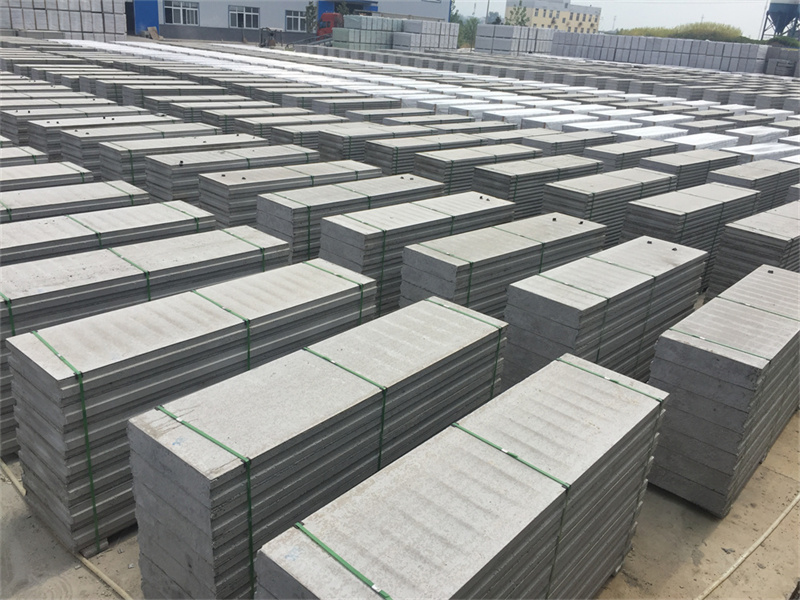
Introduction: Navigating the World of Lightweight Construction Panels
As the construction industry moves toward faster, more efficient, and sustainable building methods, lightweight construction panels have emerged as a game-changing alternative to traditional masonry. But with so many options on the market—EPS cement panels, autoclaved aerated concrete (AAC), drywall, fiber cement boards, and more—how do you choose the right material for your project?
This comprehensive guide compares the most popular lightweight construction panels available today. We examine weight, strength, insulation, fire resistance, cost, and application suitability so you can make an informed decision for your next build.
1. Overview of Lightweight Construction Panel TypesThe term "lightweight construction panel" covers a broad category of building materials designed to reduce structural load while maintaining or improving performance. Here are the five major types we will compare:
1. EPS Cement Sandwich Panel
A composite panel with calcium silicate board facings and an EPS bead-cement core. Known for excellent all-around performance.
2. Autoclaved Aerated Concrete (AAC) Panel
A precast foam concrete panel cured in an autoclave. Lightweight and fire-resistant but more brittle than composite panels.
3. Gypsum Drywall (GFRG Panel)
Gypsum-based panels with glass fiber reinforcement. Common for interior partitions but limited in moisture resistance.
4. Fiber Cement Board
Cement reinforced with cellulose fibers. Durable and weather-resistant but heavier and less insulating.
5. Magnesium Oxide (MgO) Board
A newer alternative to drywall using magnesium oxide. Fire-resistant and moisture-tolerant but less widely available.
2. Weight Comparison: How Light Are They?Weight is the primary reason builders choose lightweight construction panels. Here is how the materials compare:
| Material | Thickness | Weight (kg/m²) | vs. Brick (450 kg/m²) |
|--------------------------------|-----------|----------------|------------------------|
| EPS Cement Sandwich Panel | 100mm | 55-60 | 87% lighter |
| AAC Panel | 100mm | 65-75 | 83-85% lighter |
| Gypsum Drywall (Double Layer) | 100mm | 40-50 | 89-91% lighter |
| Fiber Cement Board | 100mm | 85-95 | 79-81% lighter |
| MgO Board (Double Layer) | 100mm | 45-55 | 88-90% lighter |
| Traditional Brick Wall | 240mm | 350-450 | Baseline |
Key Takeaway:
All lightweight panels offer dramatic weight savings compared to brick. Drywall and MgO boards are the lightest, while fiber cement boards are the heaviest among lightweight options. EPS and AAC panels strike a balance between low weight and structural capability.
Weight Implications for Your Project:
- Foundation savings: 10-20% less concrete needed
- Transportation: 3-4x more panel area per truckload vs. bricks
- Crane requirements: Most panels can be handled manually by 2-3 workers
- Seismic performance: Lighter structures experience lower seismic forces
3. Structural Strength and Load-Bearing CapacityStrength is critical, especially for exterior walls and multi-story buildings. Not all lightweight panels are created equal.
| Material | Compressive Strength (MPa) | Bending Strength (MPa) | Impact Resistance |
|---------------------------|---------------------------|----------------------|-------------------|
| EPS Cement Sandwich Panel | 3.5-5.0 | 4.0-7.0 | Excellent |
| AAC Panel | 2.5-4.0 | 0.7-1.5 | Low |
| Gypsum Drywall | 1.0-2.0 | 2.5-4.0 | Moderate |
| Fiber Cement Board | 5.0-8.0 | 8.0-12.0 | Very Good |
| MgO Board | 2.0-4.0 | 3.0-5.0 | Good |
Analysis:
EPS Cement Panels: The sandwich structure provides excellent bending strength and impact resistance. Suitable for both partition and non-load-bearing exterior walls.
AAC Panels: Adequate compressive strength but low bending strength and impact resistance. Cracks easily under point loads or impact. Requires careful handling.
Fiber Cement Board: Highest strength among lightweight options. Best for exterior cladding and high-impact environments but heavier and less insulating.
Drywall and MgO: Adequate for interior partitions only. Not recommended for high-impact or structural applications.
4. Thermal Insulation PerformanceEnergy efficiency is a growing priority in construction. Insulation performance directly impacts heating and cooling costs over a building's lifetime.
| Material | Thermal Conductivity (W/m·K) | Equivalent Brick Thickness |
|---------------------------|------------------------------|---------------------------|
| EPS Cement Sandwich Panel | 0.065-0.085 | 600mm (100mm panel) |
| AAC Panel | 0.10-0.16 | 350mm (100mm panel) |
| Gypsum Drywall | 0.16-0.25 | 150mm (100mm panel) |
| Fiber Cement Board | 0.20-0.35 | 100mm (100mm panel) |
| MgO Board | 0.18-0.30 | 120mm (100mm panel) |
| Solid Brick | 0.81 | Baseline |
Real-World Energy Impact:
In a typical commercial building with 2,000 m² of exterior wall:
- EPS panels: 40-50% reduction in HVAC energy costs
- AAC panels: 25-35% reduction
- Drywall/Fiber Cement/MgO: 10-20% reduction
For projects in extreme climates (Middle East, Northern Europe, high-altitude locations), the insulation advantage of EPS panels translates to thousands of dollars in annual energy savings.
5. Fire Resistance RatingsFire safety is non-negotiable in modern construction. Here is how each material performs:
| Material | Fire Rating | Fire Resistance Duration | Smoke Emission |
|---------------------------|---------------|-------------------------|----------------|
| EPS Cement Sandwich Panel | Class A1 | 4+ hours | Minimal |
| AAC Panel | Class A1 | 4+ hours | Minimal |
| Gypsum Drywall | Class A2 | 1-3 hours | Low |
| Fiber Cement Board | Class A1/A2 | 2-4 hours | Low |
| MgO Board | Class A1 | 3-4 hours | Low |
Important Notes:
EPS Cement Panels: Despite containing EPS foam beads, the cement encapsulation prevents oxygen from reaching the foam. The calcium silicate facings are inherently non-combustible, achieving Class A1 rating.
AAC Panels: Made entirely of mineral materials, AAC achieves excellent fire resistance naturally.
Drywall: The gypsum core releases water vapor when heated, which slows fire spread. However, the paper facing can burn, limiting the rating to Class A2.
MgO Board: Excellent fire resistance due to magnesium oxide's natural fireproof properties.
6. Sound Insulation ComparisonAcoustic performance matters in hotels, hospitals, offices, and residential buildings.
| Material | STC Rating (100mm) | Performance Level |
|---------------------------|--------------------|--------------------|
| EPS Cement Sandwich Panel | 42-48 | Excellent |
| AAC Panel | 36-42 | Good |
| Gypsum Drywall | 33-40 | Average |
| Fiber Cement Board | 30-38 | Average |
| MgO Board | 32-38 | Average |
The multi-layer structure of EPS panels creates effective sound barriers across a wide frequency range. The dense facings block high-frequency sounds, while the composite core absorbs mid and low frequencies.
7. Water and Moisture ResistanceMoisture resistance determines where a panel can be used—especially important for bathrooms, kitchens, basements, and exterior walls.
| Material | Water Absorption | Moisture Tolerance | Best Use Areas |
|---------------------------|-----------------|-------------------|--------------------------|
| EPS Cement Sandwich Panel | < 8% | Excellent | All areas including wet |
| AAC Panel | 15-25% | Moderate | Interior, protected ext. |
| Gypsum Drywall | 30-50% | Very Poor | Interior dry areas only |
| Fiber Cement Board | 20-30% | Good | Interior + exterior |
| MgO Board | 15-25% | Good | Interior + exterior |
Critical Distinction:
Drywall absorbs water rapidly, loses structural integrity, and becomes a mold risk. This makes it unsuitable for bathrooms, kitchens, or any area with moisture exposure. EPS panels and fiber cement boards maintain performance even in wet conditions.
8. Installation Speed and Labor Requirements| Material | Installation Rate (m²/day/3-person team) | Plastering Required | Special Tools Needed |
|---------------------------|------------------------------------------|---------------------|---------------------|
| EPS Cement Sandwich Panel | 50-80 | No | Basic cutting tools |
| AAC Panel | 30-50 | Yes (thin-bed) | AAC cutting saw |
| Gypsum Drywall | 40-60 | Joint compound only | Drywall tools |
| Fiber Cement Board | 25-40 | No | Carbide-tipped saw |
| MgO Board | 30-50 | No | Carbide-tipped saw |
EPS panels offer the fastest installation rate because they arrive as finished panels requiring no plastering. AAC panels need thin-bed mortar and surface finishing, slowing the process. Drywall is fast for simple partitions but requires taping, mudding, and sanding at joints.
9. Cost Comparison: Material and Installed| Material | Material Cost ($/m²) | Installed Cost ($/m²) | 50-Year Lifecycle Cost |
|---------------------------|---------------------|----------------------|------------------------|
| EPS Cement Sandwich Panel | $18-28 | $28-40 | Lowest |
| AAC Panel | $15-22 | $30-45 | Low |
| Gypsum Drywall | $8-15 | $20-30 | Moderate |
| Fiber Cement Board | $12-20 | $28-40 | Low |
| MgO Board | $15-25 | $30-42 | Low |
| Traditional Brick | $10-18 | $35-55 | High |
Cost Analysis:
While drywall has the lowest material cost, its poor moisture resistance and limited lifespan in wet areas often lead to replacement costs. EPS panels and lightweight cement panel options have higher upfront costs but deliver the best lifecycle value due to:
- No plastering costs
- Lower labor requirements
- Energy savings of 30-50%
- Minimal maintenance over 50+ years
- No replacement in wet areas
10. Application Suitability Matrix| Application | EPS Panel | AAC Panel | Drywall | Fiber Cement | MgO Board |
|---------------------------|-----------|-----------|---------|--------------|-----------|
| Interior Partition | ★★★★★ | ★★★★ | ★★★★★ | ★★★ | ★★★★ |
| Exterior Wall | ★★★★★ | ★★★★ | ★ | ★★★★ | ★★★ |
| Bathroom/Kitchen | ★★★★★ | ★★★ | ★ | ★★★★ | ★★★★ |
| Fire-Rated Wall | ★★★★★ | ★★★★★ | ★★★ | ★★★★ | ★★★★★ |
| Seismic Zone | ★★★★★ | ★★★ | ★★★ | ★★★ | ★★★ |
| High-Rise Building | ★★★★★ | ★★★★ | ★★★★ | ★★★ | ★★★ |
| Prefab/Modular | ★★★★★ | ★★★ | ★★★★ | ★★★ | ★★★ |
| Renovation/Addition | ★★★★★ | ★★★ | ★★★★ | ★★★ | ★★★ |
| Low-Budget Project | ★★★ | ★★★ | ★★★★★ | ★★★ | ★★ |
★★★★★ = Excellent ★★★★ = Very Good ★★★ = Good ★★ = Fair ★ = Poor
Comparison Summary Table| Property | EPS Cement Panel | AAC Panel | Drywall | Fiber Cement | MgO Board |
|--------------------------|-----------------|-----------|---------|--------------|-----------|
| Weight | Very Light | Light | Lightest| Moderate | Light |
| Strength | High | Moderate | Low | Very High | Moderate |
| Thermal Insulation | Excellent | Good | Poor | Poor | Poor |
| Fire Resistance | A1 (4+ hrs) | A1 (4+ hrs)| A2 (1-3h)| A1/A2 (2-4h)| A1 (3-4h) |
| Sound Insulation | Excellent | Good | Average | Average | Average |
| Water Resistance | Excellent | Moderate | Very Poor| Good | Good |
| Installation Speed | Fastest | Moderate | Fast | Moderate | Moderate |
| Installed Cost | Low-Moderate | Moderate | Lowest | Moderate | Moderate |
| Lifecycle Value | Best | Good | Poor | Good | Good |
| Versatility | Best | Good | Limited | Good | Good |
Conclusion: Choosing the Right Lightweight Construction PanelNo single panel is perfect for every application. However, the data clearly shows that EPS cement sandwich panels offer the best overall balance of performance:
- Lightweight enough for seismic zones and renovation projects
- Strong enough for exterior walls and multi-story buildings
- Insulating enough to cut energy costs by 30-50%
- Fire-safe enough for the strictest building codes
- Water-resistant enough for bathrooms and coastal environments
- Fast to install, reducing labor and project timelines
For projects where budget is the primary concern and moisture is not an issue, drywall remains a viable interior option. For exterior applications demanding maximum durability, fiber cement boards are a strong choice. But for the majority of construction projects seeking a single versatile, high-performance lightweight cement panel, EPS panels deliver unmatched value.
FAQQ: What is the lightest construction panel available?
A: Gypsum drywall is the lightest at approximately 40-50 kg/m² for a 100mm double-layer system. However, EPS cement panels at 55-60 kg/m² offer far better structural and insulation performance for only slightly more weight.
Q: Can lightweight construction panels be used for load-bearing walls?
A: Some can. Fiber cement boards and EPS cement sandwich panels have sufficient compressive strength for certain load-bearing applications. AAC panels may be used for load-bearing walls in low-rise buildings. Always consult a structural engineer for load-bearing designs.
Q: How does a lightweight cement panel compare to traditional brick in cost?
A: While the material cost of a lightweight cement panel may be 10-30% higher than brick, the total installed cost is typically 15-30% lower due to faster installation, no plastering, and reduced structural requirements.
Q: Which panel is best for humid or coastal environments?
A: EPS cement panels and fiber cement boards offer the best moisture resistance. Drywall should be avoided entirely in humid environments as it absorbs water and promotes mold growth.
Q: Are lightweight panels suitable for earthquake-prone areas?
A: Yes. In fact, lighter buildings perform better during earthquakes because they experience lower seismic forces. EPS panels are particularly suitable due to their combination of low weight and high impact resistance.
Q: What is the expected lifespan of lightweight construction panels?
A: Most quality lightweight panels have a lifespan of 50+ years when properly installed. EPS cement panels, AAC panels, and fiber cement boards are particularly durable. Drywall may need replacement in 20-30 years in areas with any moisture exposure.
Q: Do lightweight panels require special finishing?
A: EPS panels and fiber cement boards can be painted, tiled, or wallpapered directly—no plastering needed. AAC panels typically require a thin coat of plaster or render. Drywall needs joint taping and compound before finishing.
Q: Can these panels be used for both interior and exterior walls?
A: EPS cement panels and fiber cement boards are suitable for both. AAC panels work for exterior walls with proper weatherproofing. Drywall and MgO boards are generally limited to interior applications.