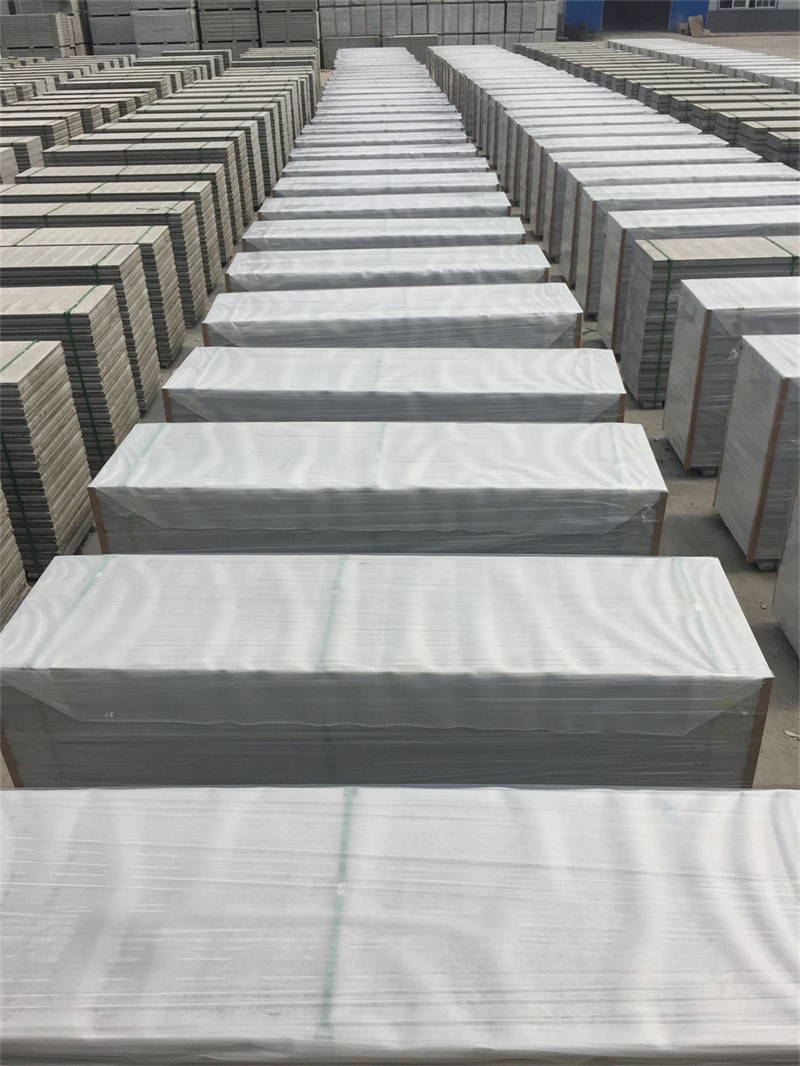
The Shift Toward Smart Builds: Why EPS Panels are Winning
Let’s be honest—the old-school brick-and-mortar way of doing things is getting a run for its money. Construction is pivoting fast, and it’s mostly because we’re all obsessed with two things right now: going green and keeping costs from spiraling. That’s where EPS (expanded polystyrene) wall panels come into play. They aren’t just a "material choice" anymore; they’ve become a bit of a gold standard for anyone trying to build smarter.
What’s Under the Hood?
The design is actually pretty clever. You’ve got this lightweight polystyrene core sandwiched between two cement-based boards. It’s light, sure, but it gets the job done without the massive bulk of traditional masonry.
The real magic is in the thermal insulation. Because the core is porous, it acts like a giant thermos for the building.
In the summer? The AC doesn't have to work overtime.
In the winter? You aren't watching your heating bills skyrocket.
Lower energy bills aren't just a "nice-to-have" anymore; they're a necessity for reducing a property's carbon footprint over the next few decades.
Speed is the Ultimate Flex
The biggest win for contractors, though, is how fast these things go up. Since they’re prefabricated in a factory and shipped ready-to-use, you’re looking at assembly times that are three to four times faster than traditional bricklaying.
There's also the "hidden" benefit of space. The panels are slimmer than standard walls, so you actually gain a few extra square feet of usable room inside. Plus, since everything is pre-sized, you aren't left with a mountain of construction waste at the end of the day. That’s a huge relief for the project budget.
Safety Isn't an Afterthought
People often ask if "lightweight" means "flimsy." Definitely not. These panels are treated with flame retardants to hit fire safety codes, and they’re surprisingly good at killing external noise. They also don't rot or attract pests like wood does.
Pro Tip: In earthquake-prone areas, the flexibility of EPS is a massive advantage. It’s light enough to absorb shocks that would crack a rigid brick wall in seconds.
At the end of the day, these panels are recyclable and highly practical. They’re exactly what the low-carbon shift in 2026 needs—a well-rounded, common-sense solution for modern building.