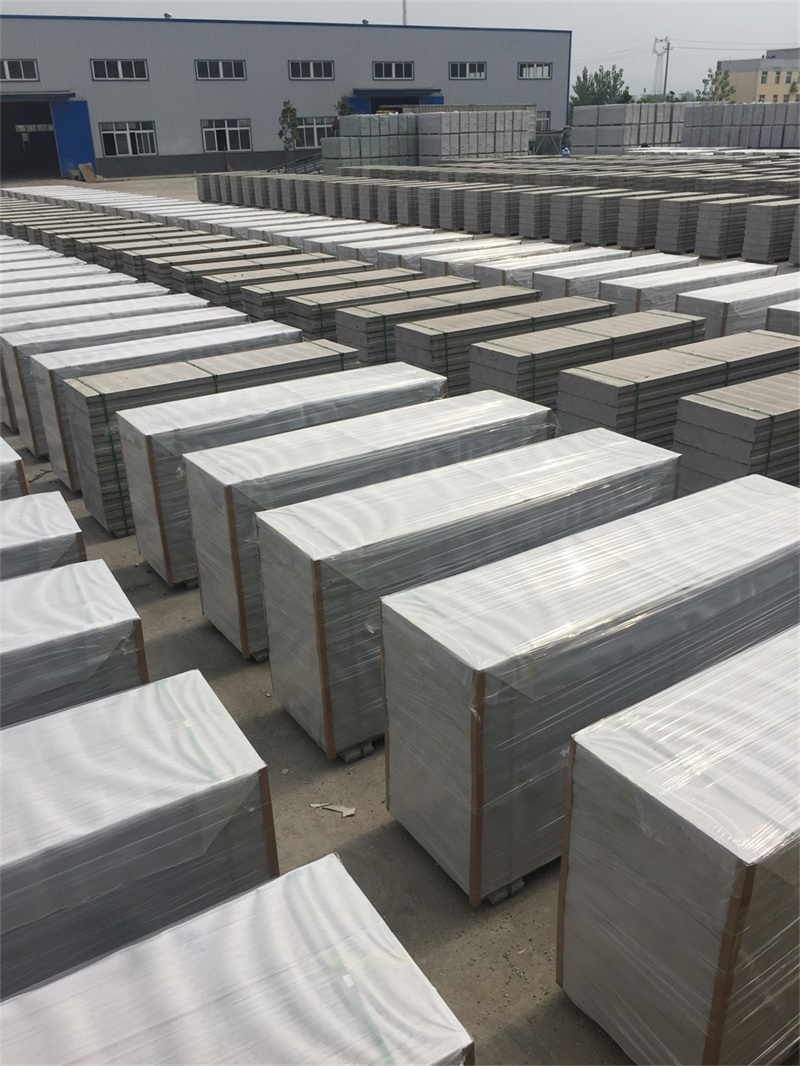
The Brick-and-Mortar Exit Strategy: Why EPS is Winning
Let's be real—the old-school way of building with bricks and mortar is starting to look like a relic. It’s slow, it’s dusty, and in a market where labor costs are through the roof, it’s just not efficient. Construction is pivoting, and EPS (expanded polystyrene) wall panels are the ones leading the charge. They aren’t just a "green" alternative anymore; they’re a pragmatic fix for anyone trying to build on a budget without cutting corners.
Inside the "Sandwich"
At its core, an EPS panel is basically a high-density foam sandwich—polystyrene inside, dual cement-based boards on the outside. It’s remarkably light. But the real "secret sauce" is the thermal insulation. Because that foam core is full of microscopic air pockets, it acts like a high-end thermos for the entire building.
Summer: You aren't paying a fortune to keep the AC running 24/7.
Winter: The heat actually stays where it’s supposed to—inside.
For property owners, that’s not just a "carbon footprint" win. It’s a direct, monthly savings on utility bills that adds up over the next thirty years.
Speed is the Ultimate Flex
The biggest headache on a job site is the timeline. Rain, slow crews, and curing times can tank your ROI. EPS panels solve this because they arrive "Lego-ready." Since they’re pre-fabricated and cut to spec at the factory, the on-site assembly is 3 to 4 times faster than laying brick.
Plus, because these panels are slimmer than a double-brick wall, you’re essentially "finding" extra square footage inside the building. No waste, no mess, and a much cleaner site for the inspectors.
Is it actually safe?
The "lightweight" label makes some people nervous about fire or wind, but that’s a myth. These panels are treated with flame retardants to hit standard fire codes. They’re also rot-proof, termite-proof, and—surprisingly—way better in a crisis.
Field Note: In earthquake-prone zones, the flexibility of EPS is a literal lifesaver. Because the structure is lighter and less rigid than masonry, it can absorb shocks that would turn a brick wall into a pile of rubble.
End of the day? If you’re trying to balance a tight budget with modern energy standards, sticking with bricks is just asking for a headache. EPS is the logical, low-carbon move for 2026.