Ditching the Brick: Why EPS Panels are Taking Over Construction
Let’s be honest—the classic brick-and-mortar build is starting to look like a bit of a relic. It’s slow, it’s messy, and with labor costs what they are today, it’s getting harder to justify. That’s why EPS (expanded polystyrene) wall panels have shifted from being a "green" alternative to a total industry staple. It’s not just about being eco-friendly; it’s about common sense.
What’s actually inside?
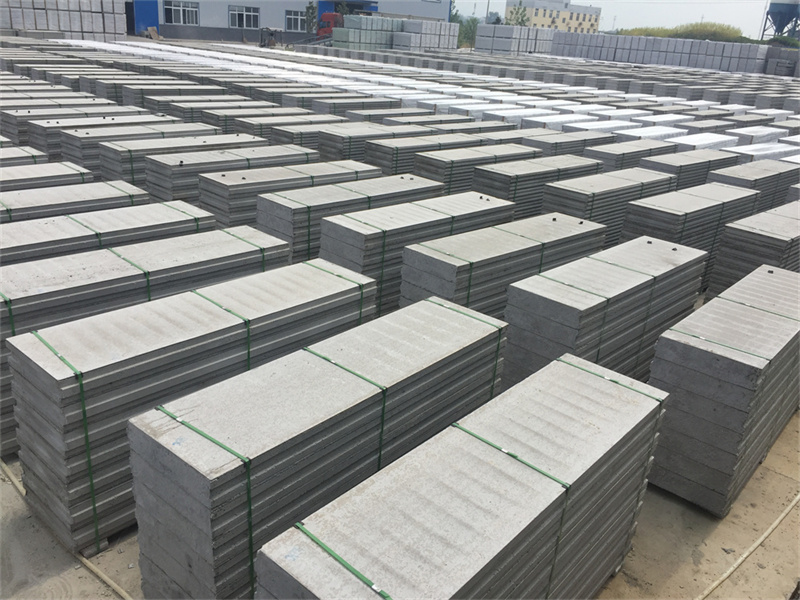
Think of an EPS panel as a high-tech sandwich. You take a lightweight, high-density foam core and wrap it in two layers of solid cement board. It’s light enough to move by hand but surprisingly tough once it’s locked in.
The real winner here is the insulation. Because that foam is full of microscopic air pockets, it acts like a giant Yeti cup for the building.
The result? You aren't fighting the thermostat all year.
The payoff? Monthly energy bills drop, and your long-term carbon footprint actually starts to look decent.
Speed: The Ultimate Construction Hack
The biggest headache on any job site is the timeline. Rain, slow crews, and curing times can wreck your ROI. EPS panels solve this because they arrive "Lego-ready." Since they’re pre-cut at the factory to your exact specs, the on-site assembly is 3 to 4 times faster than laying brick.
There's also a "hidden" space benefit. These panels are thinner than a double-brick wall, so you’re essentially "finding" extra square footage inside the building for free. Plus, because you aren't cutting bricks on-site, the waste is almost zero. That’s a massive relief for the project budget.
Safety That Isn’t an Afterthought
People often worry that "lightweight" means "flimsy." That’s just not the case. These panels are treated with flame retardants to pass strict fire codes and they’re naturally resistant to rot, termites, and moisture—the stuff that usually kills wooden structures.
Pro Tip: In earthquake-prone zones, EPS is actually safer than brick. Its flexible, lightweight build lets it "ride" structural shocks instead of snapping under the pressure like rigid masonry.
At the end of the day, if you’re trying to balance a tight budget with the low-carbon trends of 2026, EPS panels are the most practical move you can make. They aren't just a replacement; they're an upgrade.