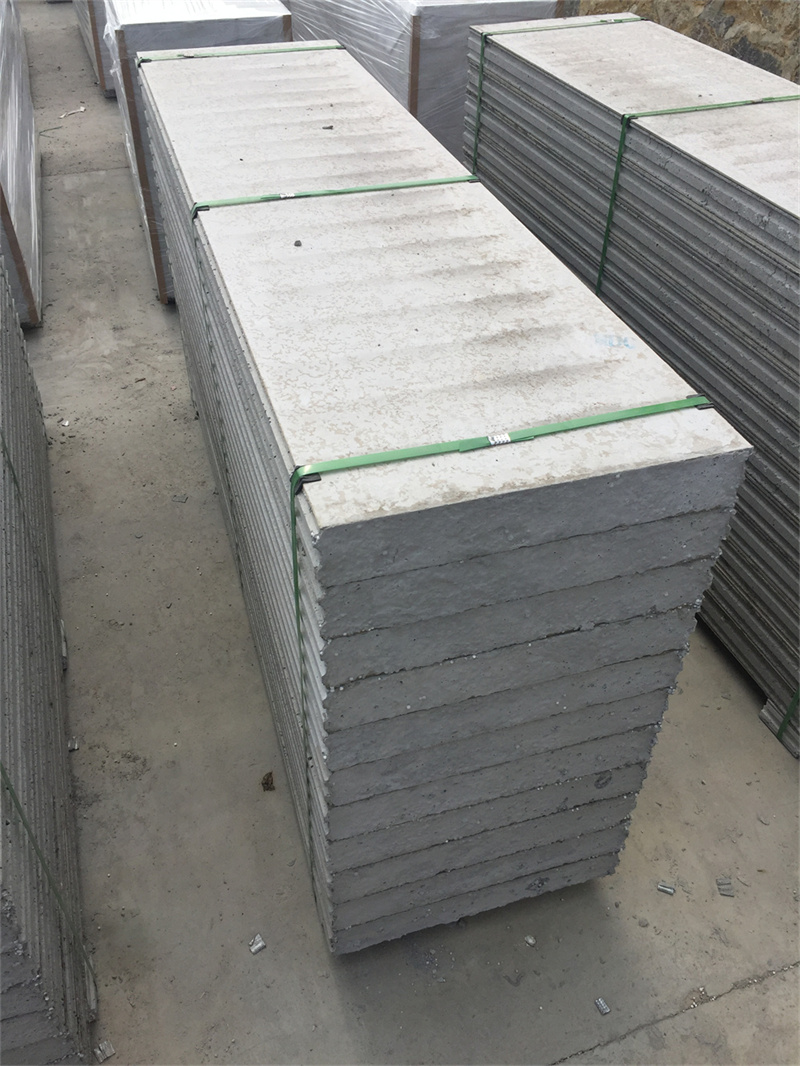
Honestly, the old-school way of building—hauling heavy bricks and mixing messy mortar—is starting to feel like a relic of the past. It’s slow, it’s a total headache on the job site, and with what crews are charging for labor in 2026, it’s just not sustainable. That’s why EPS (expanded polystyrene) wall panels have shifted from being a "fringe green tech" to a total site staple. It’s not just about saving the planet; it’s about common sense and a faster ROI.
What’s actually in the sandwich?
You can think of an EPS panel as a high-tech sandwich. It’s got a lightweight, high-density foam core shoved between two rock-solid cement boards. It’s light enough for a small crew to move without heavy machinery, but it turns into a beast once it’s locked into the frame.
The real magic? The insulation. Because that foam is packed with microscopic air pockets, it acts like a high-end cooler for the entire house.
The Big Win: You aren’t constantly fighting the thermostat.
The Bottom Line: Monthly energy bills take a nosedive, and the long-term carbon footprint actually looks decent for once.
The "Lego" Effect
The worst part of any project is the timeline. Rain happens, crews don’t show up, and curing times can kill your schedule. EPS panels fix that because they arrive ready to go. They’re pre-cut at the factory, so the on-site assembly is 3 to 4 times faster than laying brick.
There's also this "hidden" space bonus. These panels are thinner than a double-brick setup, so you’re basically finding extra square footage inside for free. And since there's zero cutting on-site, you aren't paying for dumpster hauls of waste.
Safety Myths vs. Reality
A lot of people think "lightweight" means "flimsy." Wrong. These things are loaded with flame retardants to pass fire codes, and they’re basically immune to rot and termites—the stuff that usually eats wooden builds for breakfast.
Pro Tip: If you're building in an earthquake zone, EPS is a lifesaver. Its flexibility lets it "ride" the shocks instead of snapping like a rigid brick wall would.
If you’re trying to balance a budget with 2026’s low-carbon standards, sticking with bricks is a headache you don't need. EPS is the pragmatic move.