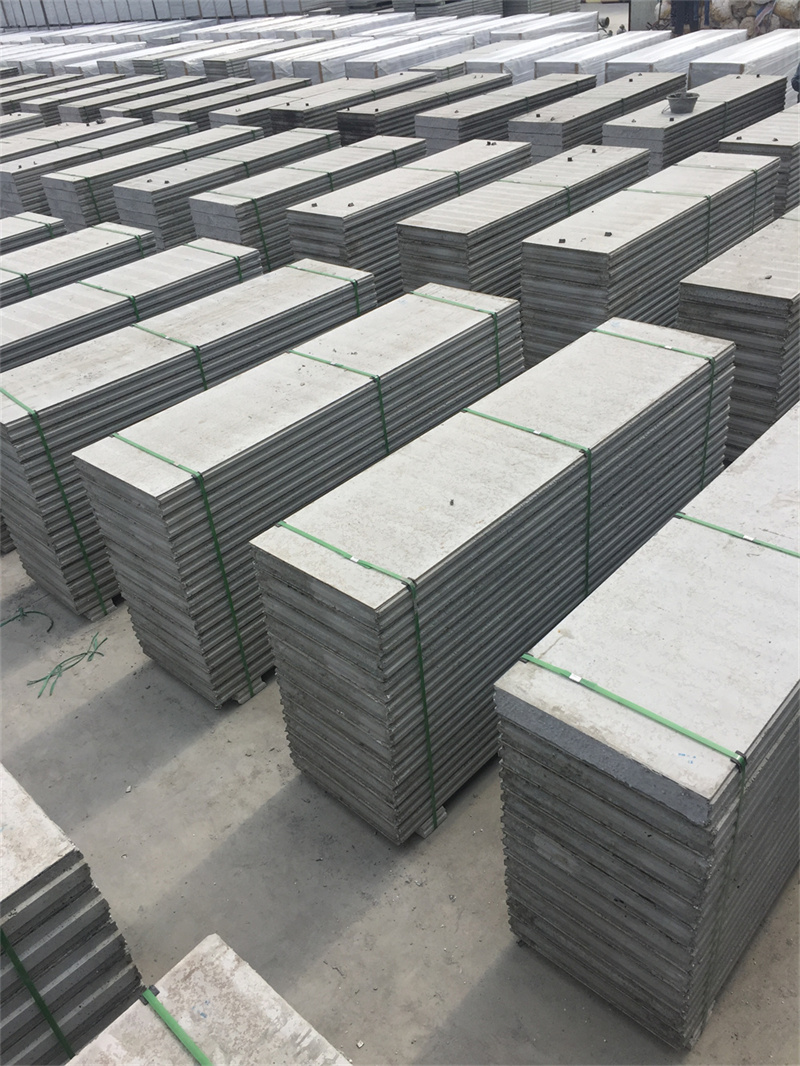
In the fast-evolving world of construction, efficiency, sustainability, and cost-effectiveness are no longer just options—they are necessities. Traditional brick and mortar walls are increasingly being replaced by advanced prefabricated materials. Among these innovations, the EPS cement wall panel has emerged as a top choice for developers, architects, and builders worldwide.
But what makes this material so special? In this comprehensive guide, we will break down everything you need to know about EPS cement wall panels and why they are revolutionizing the building industry.
An EPS cement wall panel is a lightweight, energy-saving composite wall material. It is engineered with a high-strength calcium silicate board or fiber cement board on both faces, encapsulating a solid core made of a specialized mix of Portland cement, Expanded Polystyrene (EPS) foam beads, sand, and additives.
By combining the structural rigidity of cement with the lightweight, insulating properties of EPS, this panel offers the best of both worlds: the solid feel of a traditional concrete wall, but at a fraction of the weight and installation time.
Why are major commercial and residential projects shifting to EPS cement wall panels? Here are the primary benefits:
EPS cement wall panels are significantly thinner than traditional brick walls (typically ranging from 60mm to 150mm) while offering superior performance. This thin profile increases usable interior floor space by about 3% to 5%. Furthermore, being lightweight, they reduce the structural load on the building's foundation, leading to substantial savings in steel and concrete costs.
Safety is paramount in high-rise buildings. EPS cement wall panels boast excellent fireproof performance, achieving a Class A non-combustible rating. A standard 100mm panel can withstand fire for up to 4 hours at high temperatures without emitting toxic gases, providing crucial time for evacuation.
Unlike drywall or standard gypsum boards, EPS cement wall panels are highly resistant to moisture. Even when exposed to damp environments like bathrooms, kitchens, or basements, the panels do not absorb water, prevent paint peeling, and eliminate the risk of mold and mildew growth.
Don't let the word "lightweight" fool you. Due to the cement core matrix, these panels have remarkable impact resistance. They are strong enough to support heavy loads—a single point can hang up to 50kg or more, making it easy to install air conditioners, kitchen cabinets, and flat-screen TVs.
Time is money on a construction site. Featuring a convenient tongue-and-groove interlocking system, EPS cement wall panels can be easily cut, grooved, and installed. A team of two skilled workers can install up to 30–40 square meters per day, accelerating project timelines by up to 40% compared to traditional masonry.
Thanks to their versatility, these panels are suitable for both interior and exterior applications across various building types:
High-Rise Commercial Buildings: Ideal for office partitions and hotel room walls due to excellent acoustic insulation (up to 46dB).
Residential Apartments & Villas: Used for both exterior facades and interior division walls.
Prefabricated & Modular Homes: The perfect lightweight component for quick-assembly housing solutions.
Industrial Warehouses: Excellent for creating fire barrier walls and durable partitions.
The construction industry is shifting toward greener, faster, and smarter building methods. The EPS cement wall panel perfectly aligns with this shift. It lowers overall project costs, significantly speeds up construction time, and delivers a safer, better-insulated living environment for end-users.
Whether you are a developer looking to maximize ROI or a contractor aiming to meet tight deadlines, investing in EPS cement wall panels is a strategic move toward the future of building.


