The construction industry is undergoing a massive shift. Today, developers, architects, and builders are no longer just looking for materials that are strong; they need solutions that are eco-friendly, cost-effective, and fast to install.
Enter the EPS cement sandwich wall panel—a revolutionary building material that is rapidly replacing traditional brick-and-mortar and drywall systems worldwide.
If you are looking to optimize your next building project, here is everything you need to know about why this innovative material is taking the industry by storm.
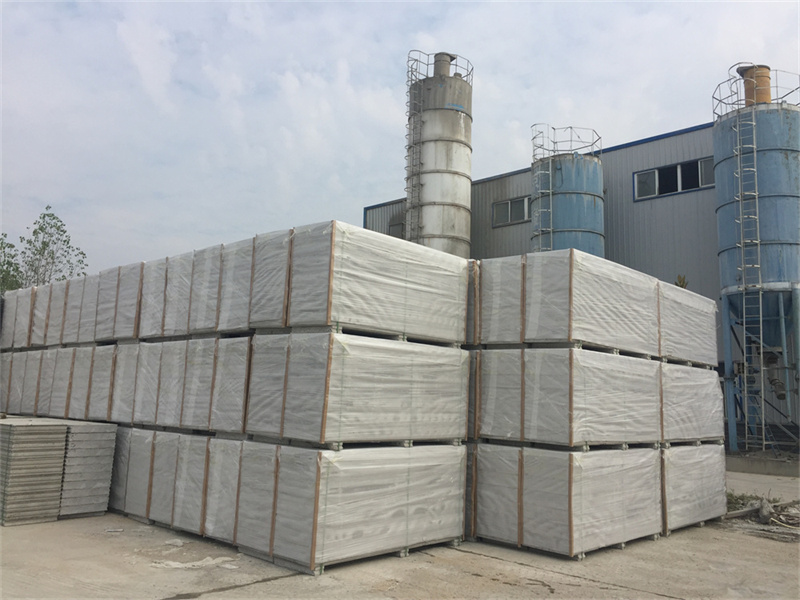
At its core, an EPS cement sandwich wall panel is a lightweight, non-load-bearing composite wall panel. It features a "sandwich" structure:
Outer Layers: High-strength calcium silicate boards or cement fiber boards.
Core Layer: A solid, lightweight mix of Expanded Polystyrene (EPS) foam beads, cement, sand, and special additives.
This unique combination blends the structural rigidity of solid concrete with the incredible insulating and lightweight properties of EPS.
Traditional bricklaying is time-consuming and labor-intensive. EPS cement sandwich wall panels feature a tongue-and-groove interlocking system that allows workers to slide panels into place quickly.
Up to 3 times faster installation compared to traditional bricks.
Reduces overall labor costs significantly.
With rising energy costs, thermal efficiency is a top priority. The EPS beads inside the core act as an exceptional thermal barrier. Buildings constructed with these panels stay cooler in the summer and warmer in the winter, leading to massive savings on HVAC energy bills.
Despite being incredibly strong and impact-resistant, these panels are remarkably lightweight (roughly 1/3 the weight of a traditional brick wall).
The Engineering Advantage: Reducing the dead weight of the walls means you can optimize and reduce the cost of the building’s main structural foundations and beams.
Safety is non-negotiable.
Fire Resistance: Most high-quality EPS cement panels boast a Class A fire rating, able to withstand temperatures over 1000°C for up to 4 hours without emitting toxic gases.
Moisture Resistance: The panels will not absorb water, making them perfect for wet areas like bathrooms, kitchens, and humid climates.
Here is a quick look at how this modern material stacks up against traditional clay bricks:
|
EPS Cement Sandwich Wall Panel | Traditional Clay Bricks | |
| Installation Speed | Exceptionally Fast (Interlocking) | Slow (Brick-by-Brick) | |
| Weight | Lightweight (~60-70 kg/m²) | Heavy (~200+ kg/m²) | |
| Space Saving | Thinner walls create 3-5% more usable floor area | Thicker walls consume space | |
| Eco-Friendliness | Eco-friendly, recyclable, low waste | High carbon footprint during firing | |
| Sound Insulation | Excellent (38-46 dB attenuation) | Moderate |
Because of their versatility, EPS cement sandwich wall panels are used across a wide range of residential, commercial, and industrial projects:
Interior Partition Walls: Ideal for high-rise apartments, hotels, and office buildings where space-saving and soundproofing are vital.
Exterior Wall Systems: Provides an energy-efficient, weather-resistant outer shell for buildings.
Prefabricated Houses: The perfect match for quick-assembly modular homes and villas.
Roofing and Flooring: Their lightweight nature makes them excellent for floor and roof slabs.
The EPS cement sandwich wall panel is more than just a trend—it is a smarter, greener, and faster way to build. By switching from traditional masonry to these advanced composite panels, project managers can slash construction timelines, reduce total project costs, and deliver a more sustainable, energy-efficient building.
Are you ready to upgrade your next construction project? Contact our team today to get a quote or learn more about our premium EPS cement sandwich wall panel solutions!


