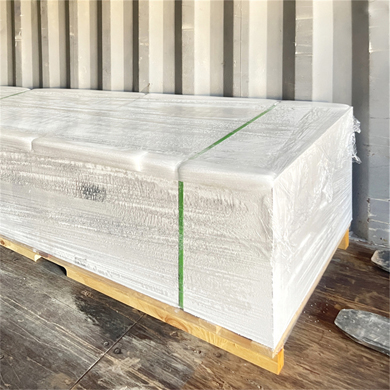
Choosing wall materials directly affects project efficiency, cost, and living experience. We compare ALC wall panel with traditional bricks, gypsum board, and concrete blocks to help you decide.
Weight & Structure Load ALC panel: lightweight, reduces building load and foundation cost. Traditional brick & concrete block: heavy, increases structural pressure. Gypsum board: light but low load capacity.
Fire Resistance ALC panel: A1 non-combustible, up to 4 hours fire resistance. Brick: good but heavy. Gypsum board: poor fire performance.
Sound & Thermal Insulation ALC panel: porous structure provides balanced sound and thermal insulation. Brick: good sound insulation but poor thermal performance. Gypsum board: needs multi-layer + cotton for better effect.
Construction Speed ALC panel: prefabricated, dry installation, 3–5x faster than masonry. Brick/block: slow, needs wet work and long curing. Gypsum board: fast but weak durability.
Cost & Service Life ALC panel: higher material cost but lower labor, time, and maintenance cost; long life, no hollowing or cracking. Brick: low material cost but high labor and time cost. Gypsum board: cheap but poor moisture and impact resistance.
Conclusion ALC wall panel leads in lightweight, fireproof, sound/thermal insulation, construction efficiency, and durability. It is more cost-effective for mid-to-high-end projects, prefabricated buildings, hotels, offices, apartments, and industrial plants. Traditional materials suit low-demand projects; ALC is the optimal choice for modern, green, efficient construction.