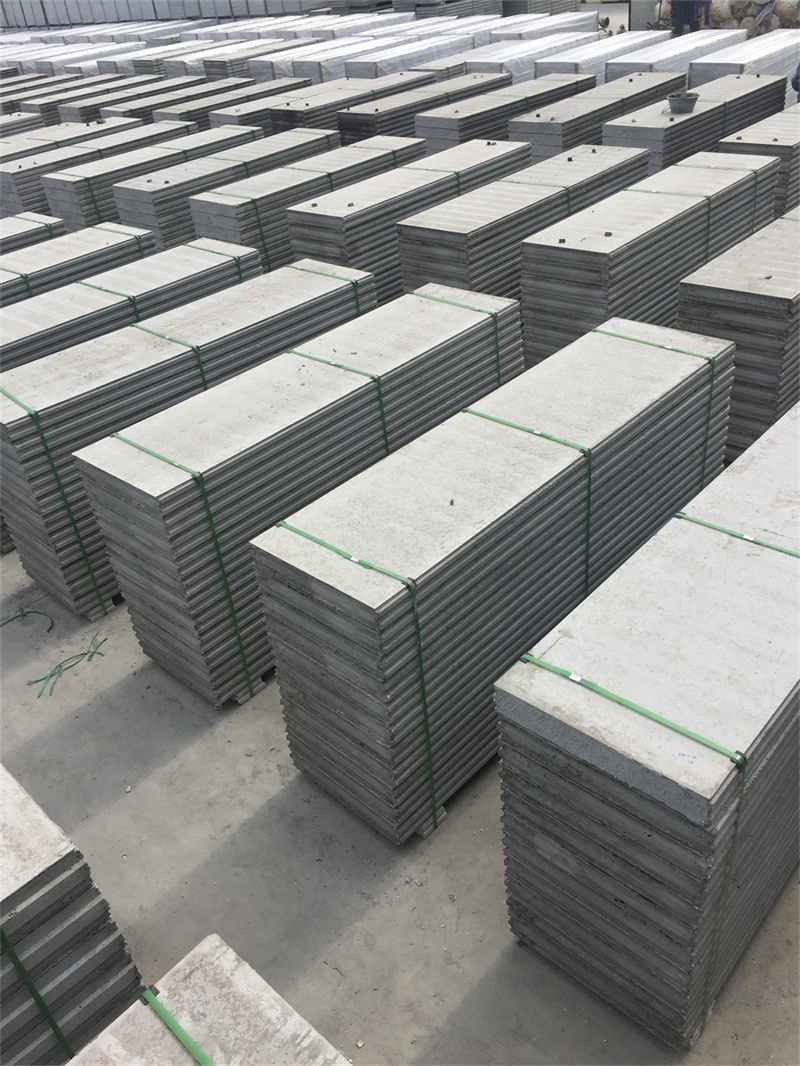
When choosing wall materials for your project, it is critical to make a clear comparison between an EPS cement sandwich wall panel and traditional brick walls, to understand which option better fits your needs. In terms of weight, a 100mm thick EPS cement sandwich wall panel weighs only 50kg per square meter, while a 240mm thick traditional clay brick wall weighs over 480kg per square meter, creating a huge difference in foundation load.
In thermal insulation performance, an EPS cement sandwich wall panel has a thermal conductivity of only 0.032 W/(m·K), which is 8 times lower than that of a solid clay brick wall. This means a 100mm EPS cement sandwich wall panel provides better insulation effect than a 500mm thick brick wall, saving a lot of indoor space for your building. In terms of construction speed, two workers can install 15 square meters of EPS cement sandwich wall panel in one day, while the same team can only build 3 square meters of brick wall in the same time.
Traditional brick walls do have a lower upfront material cost per square meter, but when you calculate the total cost including foundation reinforcement, long construction labor, and 30 years of energy consumption, an EPS cement sandwich wall panel is 42% more cost-effective than a traditional brick wall. For projects that require fast delivery and low long-term operating costs, the EPS cement sandwich wall panel is clearly the smarter choice.