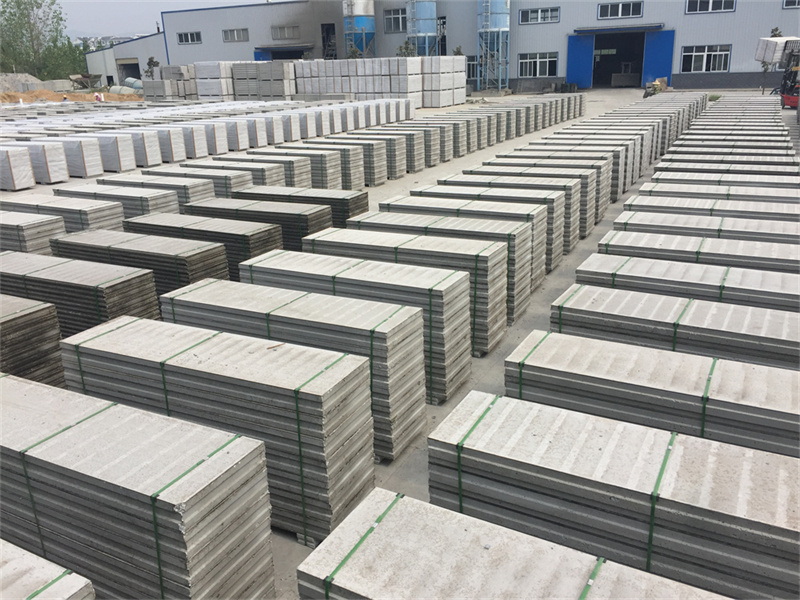
In coastal regions that frequently face strong hurricanes, building materials need to meet extremely high wind resistance standards, and the EPS cement sandwich wall panel has proven to be a reliable choice for this challenging environment. The unique composite structure of an EPS cement sandwich wall panel combines the flexibility of the EPS core with the high strength of the cement outer layer, giving it excellent impact resistance that can withstand wind speeds up to 200 km/h.
Unlike lightweight metal siding that can be easily torn apart by hurricane-force winds, a properly installed EPS cement sandwich wall panel forms a continuous, integrated wall system that does not break loose even under extreme negative wind pressure. Many post-hurricane site investigations in Florida and the Caribbean have found that buildings using an EPS cement sandwich wall panel suffered far less structural damage than nearby buildings using traditional lightweight wall materials.
Another advantage of an EPS cement sandwich wall panel for hurricane zones is its water-resistant performance. The closed-cell EPS core inside each EPS cement sandwich wall panel will not absorb rainwater, so even if the wall is temporarily flooded, it will not deform, rot or lose its insulation performance. Local construction departments in many hurricane-prone areas have now added the EPS cement sandwich wall panel to their recommended material list for disaster-resistant residential and public buildings.