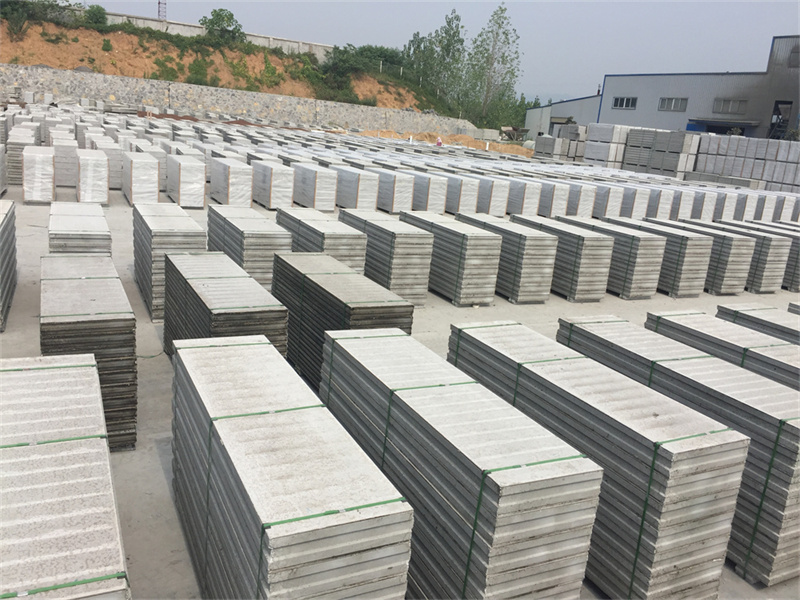
Net zero energy buildings are rapidly becoming a global standard for sustainable construction, and the EPS cement sandwich wall panel is one of the most critical materials to help projects reach this ambitious target. The outstanding thermal insulation performance of an EPS cement sandwich wall panel minimizes the heat exchange between indoor and outdoor environments, reducing the energy demand for heating and cooling by more than 40% compared to ordinary walls.
When you use an EPS cement sandwich wall panel as both exterior and interior walls, you can greatly reduce the required capacity of your building’s HVAC system, which in turn lowers the initial investment in mechanical equipment. The space saved by the thin EPS cement sandwich wall panel can also be used to install larger solar panel systems on the roof, generating more renewable energy to offset the remaining building energy consumption. Many net zero building projects in Europe have reported that using an EPS cement sandwich wall panel helped them reduce the payback period of their solar energy systems by 3 years.
In addition, the low embodied carbon of an EPS cement sandwich wall panel makes the whole building’s lifecycle carbon emissions far lower than projects using high-carbon wall materials. For any project that aims to get net zero certification, integrating an EPS cement sandwich wall panel into the initial design stage will make the whole certification process much easier and more cost-effective.